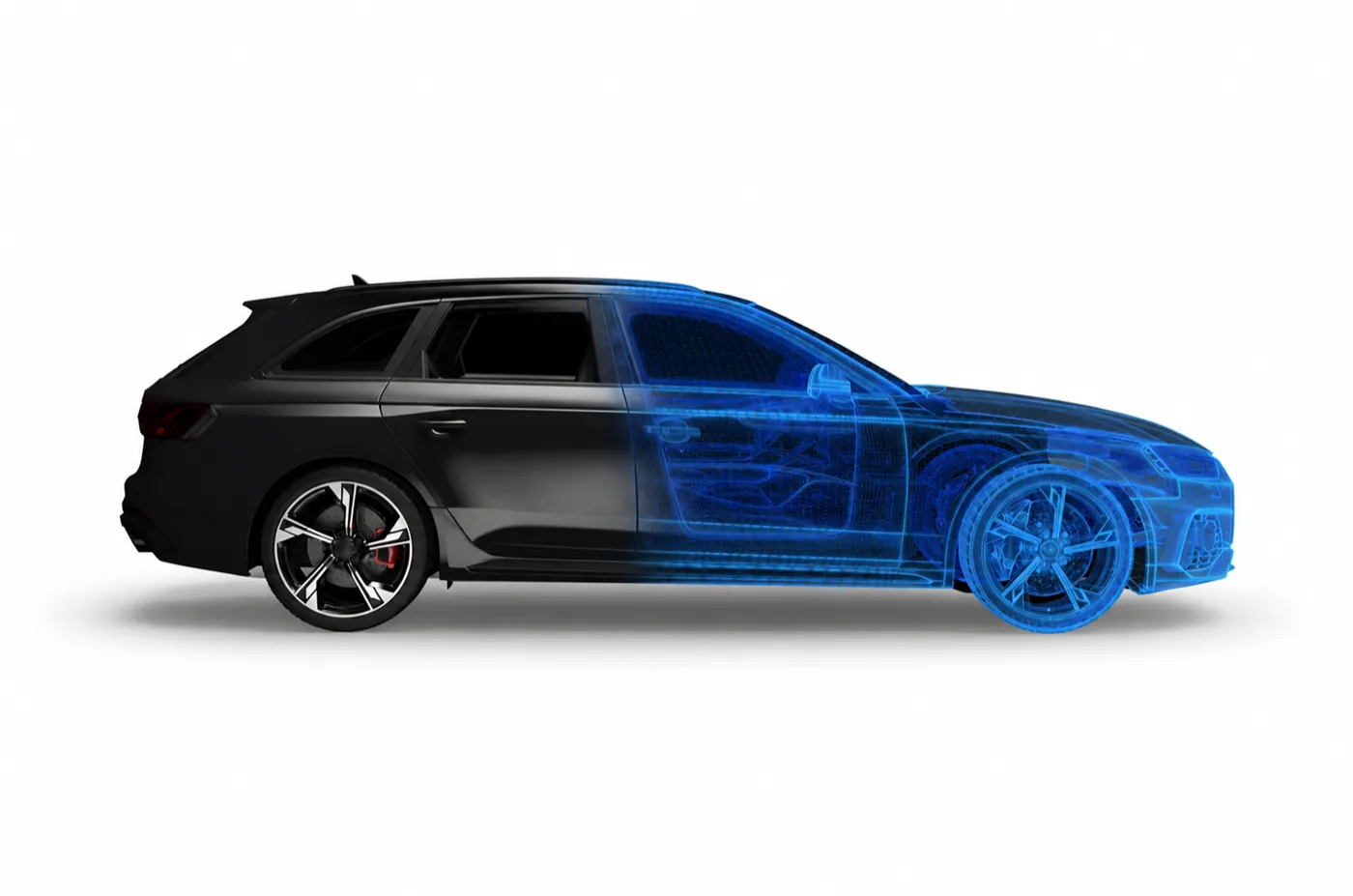
Car with its ADAS sensor zones visualised — radar cone, camera field of view and ultrasonic arcs

What is ADAS?

ADAS stands for Advanced Driver Assistance Systems. It's the umbrella term for the cameras, radars and sensors in modern cars that watch the road, warn the driver, and intervene when something goes wrong. UK cars from 2018 onwards almost all carry several ADAS features as standard.

ADAS, in plain English

ADAS = Advanced Driver Assistance Systems. The acronym groups together every camera, radar and sensor in your car that does one of three things: watches the road, warns you about something, or actively intervenes (steers, brakes, holds you in your lane).

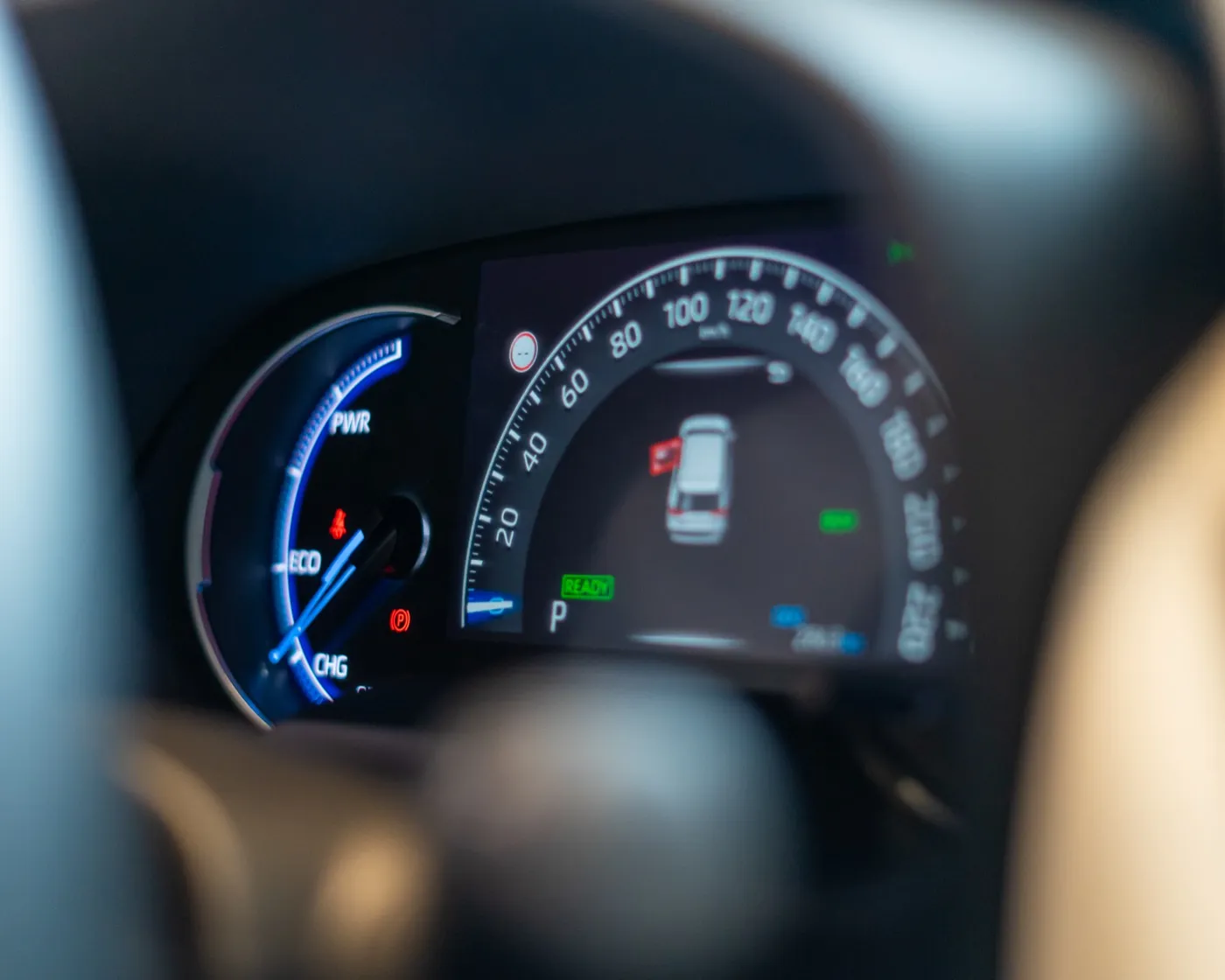
ADAS is not one feature. It's a label for a collection of features that share the same hardware (forward camera, front radar, ultrasonic sensors, sometimes side and rear radars) and the same software stack. When your dashboard shows 'Front Assist Unavailable', 'Lane Departure Warning fault', or 'ACC Deactivated', it's an ADAS fault.

Where ADAS sensors sit on a modern car: forward camera behind the windscreen, front radar behind the grille, ultrasonic sensors around the bumpers, and side radars in the rear quarters.

Several of the systems are now required by UK vehicle safety law on new car types, covering AEB, Lane Keep Assist, drowsiness detection and intelligent speed assistance. Cars built before then often have most of the same systems voluntarily, especially anything from 2018 onwards on a Euro NCAP 5-star rating.

What this means in practice: almost every modern car on UK roads has multiple ADAS features running quietly in the background, and almost every modern repair (windscreen replacement, bumper repair, body work, even some wheel alignments) involves at least one ADAS sensor that needs recalibration afterwards.
From our technicians' work

ADAS isn't a list of separate features. It's a connected system where the cameras, radars, and sensors share wiring and software.

When one sensor shifts out of tolerance, others drop offline with it. A camera moved by a windscreen swap, or a radar nudged by bumper work, can take lane keep, adaptive cruise, and forward collision warnings down together.

That's why dashboards often light up with multiple warnings at once after what looks like minor repair work.

Which cars have ADAS?

Most modern cars in the UK have ADAS, but the depth varies. Three rough tiers:

Universal (2024 onwards). New car types approved for sale in the UK have to carry AEB, Lane Keep Assist, drowsiness detection and intelligent speed assistance to be road-legal, under UK vehicle safety law. The rollout to all newly-registered cars is staged over the next few years.

Common (2018-2023). Most cars launched in this window carry forward camera, front radar, and the systems that hang off them: ACC, AEB, lane assist, forward collision warning. Manufacturer naming varies (Front Assist on VW Group, Honda Sensing on Honda, Toyota Safety Sense on Toyota, Pre Sense on Audi, Driver Assistance on BMW). The hardware is broadly similar across brands.

Partial (2015-2018). Higher trims often had ACC, blind spot monitoring, parking sensors. Forward camera was less universal. Lane keep was often optional.

Sparse or none (pre-2015). ADAS as we use the term today started rolling out widely from about 2015. Cars older than that have ABS and ESC but rarely the camera-based features. They typically don't need ADAS calibration after repairs.

What manufacturers call their ADAS

Different manufacturers brand their ADAS suites differently. The features are similar across cars, but the names on your dashboard depend on who built the car.

  • VW Group (VW, Audi, Škoda, SEAT): Front Assist, ACC, Lane Assist
  • Toyota and Lexus: Toyota Safety Sense / Lexus Safety System+
  • Honda: Honda Sensing
  • Nissan: ProPILOT Assist
  • Hyundai and Kia: SmartSense (Hyundai) / Drive Wise (Kia)
  • Ford: Co-Pilot360
  • BMW: Driver Assistance Package, Active Cruise
  • Mercedes: Distronic, Active Lane Keeping

If you see a warning with one of these names, you're looking at an ADAS fault on that platform.

Why ADAS calibration matters

ADAS sensors work to fixed reference points. A front radar behind the bumper grille is aligned to a precise spot during manufacture, with tolerances measured in millimetres and fractions of a degree. A forward camera behind the windscreen has the same precision requirement, often tighter.

When any of that hardware is disturbed (windscreen swap, bumper-off repair, badge replacement, sensor change, even some wheel alignments), the sensor loses its reference and needs recalibration. Without it, the system either turns itself off and flags a warning, or worse, keeps running on out-of-tolerance data, which is when phantom braking, late lane warnings, and false collision alerts start showing up.

In our technicians' work, the most common calibration triggers we see are windscreen replacement (forward camera loses reference), front-end repair (radar bracket shifts), and post-collision (multiple sensors knocked simultaneously). All three are routine calibration jobs across our UK network.

Frequently asked questions

ADAS stands for Advanced Driver Assistance Systems. It's the umbrella label for the cameras, radars and sensors in modern cars that watch the road, warn the driver, and intervene when needed. The term covers everything from autonomous emergency braking to lane keep assist, adaptive cruise control, blind spot monitoring and parking sensors.

Almost certainly if it's a 2018 or newer model. Most cars launched from 2018 onwards have forward camera, front radar and the systems that hang off them. New car types in the UK now have to carry AEB, Lane Keep Assist and drowsiness detection under UK vehicle safety law.

If your car was registered before 2015, it probably has ABS and ESC but no camera-based ADAS features.

Cruise control and ABS are individual driver-aid features that predate the ADAS umbrella. ADAS specifically refers to the camera and radar-based systems that watch the environment around the car, not just react to driver inputs. ABS reacts when the driver brakes too hard. Autonomous Emergency Braking (an ADAS feature) brakes the car itself when it detects a collision risk. Different category.

No. ADAS sits well below true self-driving on the autonomy scale. Most ADAS features in UK cars are Level 1 or Level 2 automation: the driver is still responsible at all times, and the systems only assist (warning, holding lane, maintaining distance).

Tesla's Autopilot and Ford's BlueCruise are higher-end Level 2 systems but still require driver attention. Genuinely self-driving cars (Level 4 and above) aren't road-legal for general consumer use in the UK yet.

Most ADAS faults trace back to one of four causes: a sensor disturbed by physical work on the car (windscreen swap, bumper repair, badge change), a sensor blocked by dirt or weather (the most common 'temporary' fault, usually clears after cleaning and a restart), out-of-tolerance calibration after impact, or a software fault in the underlying control unit. The first three are calibration jobs, which is what our network handles.

If your car has a forward-facing camera mounted behind the windscreen, yes. The camera loses its reference point when the glass is removed, even when the new glass is fitted perfectly. Most cars from 2018 onwards have one. Most insurers in the UK treat ADAS calibration as part of any windscreen claim. The full guide is in our windscreen calibration article.

Need an ADAS calibration?

If your car needs calibration after a windscreen swap, bumper repair or accident, head to the homepage form. We come back with the tier price, the nearest accredited workshop, and the soonest slot.

Get a Free Quote