'Clean Front Radar' Warning: Why Cleaning Isn't Fixing It
Seeing 'Clean Front Radar' on your Hyundai or Kia, and wiping the bumper hasn't cleared it? Common across Tucson, Kona, Sportage and the wider Hyundai and Kia range, and most other makes show the same warning in their own words, from 'radar blocked' to 'no sensor visibility'. The message covers two cases: a radar that genuinely can't see, which a wash fixes for free, and a radar that's lost its aim, which no amount of cleaning will fix. Here's how to tell them apart, the checks that cost nothing, and what recalibration costs when the aim is out, from £162 inc VAT.
What the cleaning message can tell you
An obstruction warning can occur when the sensor view is restricted. Follow the handbook's cleaning instructions while safely parked, without removing trim or adjusting the sensor. A warning that persists on a clean car needs assessment; it does not by itself prove a calibration fault.
Why a radar warning may persist
A sensor-view warning can involve dirt, ice or another obstruction, but the message alone does not establish the cause. Sensor location and cleaning requirements vary by vehicle. Follow the handbook while safely parked; do not remove trim or adjust the radar yourself.
If the warning remains or returns after those checks, installation, damage, wiring or alignment may need investigation. A clean exterior does not prove the bracket behind it is sound, and a persistent warning does not prove calibration is the answer.
Include bumper or grille work, a recent impact, any replacement parts and the exact message. Assistance names and sensor arrangements differ between makes, so similar wording does not mean the same repair applies to every car.
Pick your make for specifics
Make-specific pricing and the model-level pattern we see on each.
- By makeRead more
Hyundai
Kona, Tucson and IONIQ. Kona is the model we see this on most. SmartSense, the cleaning-doesn't-fix-it pattern, and what's actually shifting behind the badge.
-
 By makeRead more
MG
Warnings after radar refitting or replacement: fault messages, part history and the next assessment.
Before you enquire
- 1
Read the exact warning
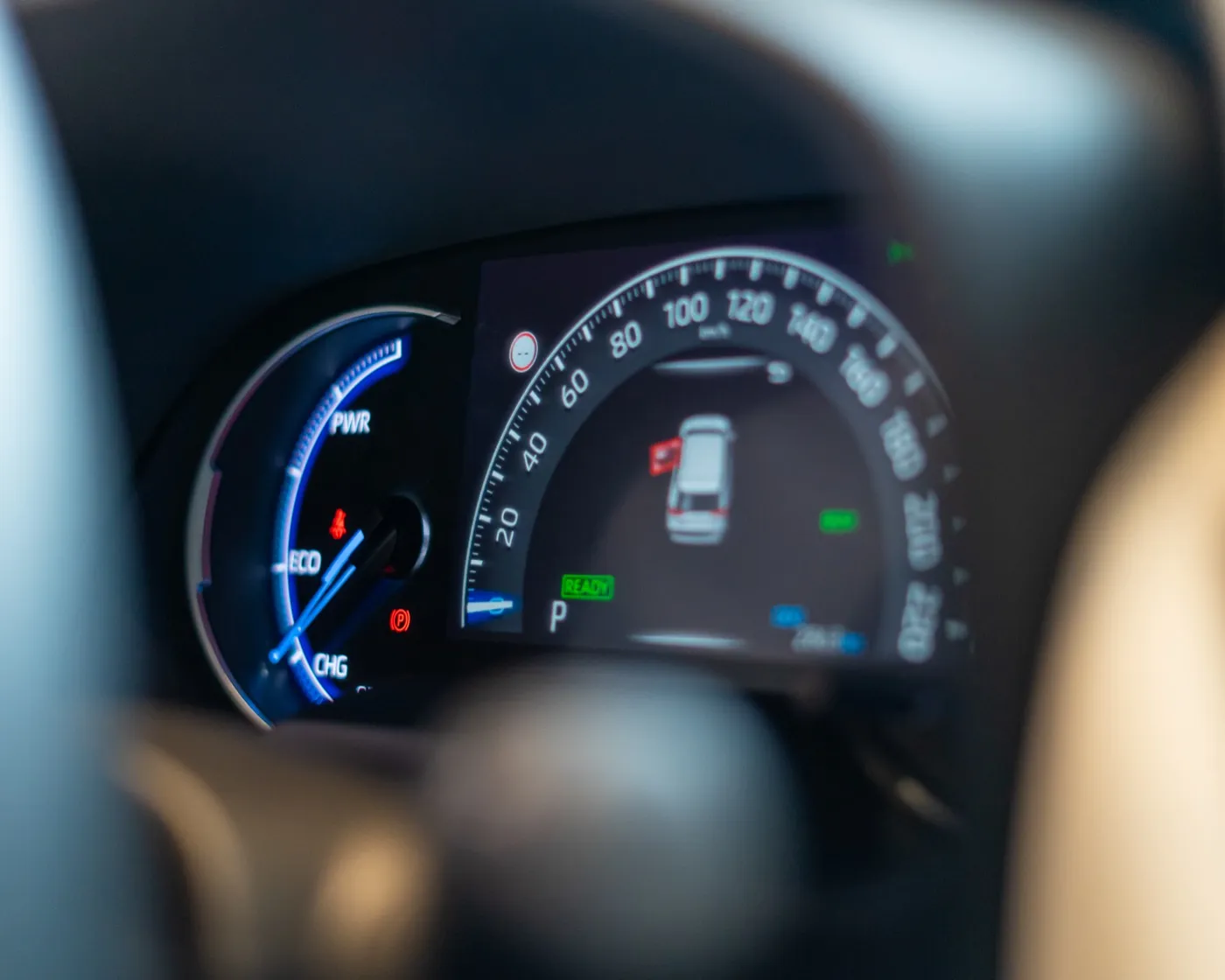
Follow the warning instructions in your handbook. Photograph the message while safely parked and include any other warnings. Do not rely on an affected assistance feature.
- 2
Describe recent work
Include glass, bumper, suspension, electrical or replacement-part work, and when the warning began. Missing details do not prevent an enquiry.
- 3
Keep earlier findings
Send relevant scan, repair and calibration reports. Do not repeatedly clear codes or test the system by deliberately triggering its warnings.
- 4
Explain practical concerns
Include your location and any unfinished repairs or concerns about driving. Seek qualified advice before travelling if you are unsure whether the car is safe to drive.
Which work may be needed
A cleaning message that persists after the handbook's checks needs assessment. The cause can involve the sensor view, installation, electrical faults or alignment. Cleaning, code clearing and calibration are different operations; none is a universal reset for every radar warning.
A diagnostic scan reads available fault information. Its findings, repair instructions and any physical checks guide the next step; further investigation may be needed. The centre pre-scan price is £54 including VAT when that operation is required.
Front-radar calibration is £162 including VAT at a centre. Replacement configuration is a separate operation, listed at £232.80 including VAT. It is not a replacement-and-calibration package, does not supply or fit a part, and is not automatically required again if the installer has already completed it.
The vehicle-specific method can involve static work, a prescribed driving procedure or both. Calibration cannot repair damaged hardware, wiring or an unsuitable installation. The quote covers the work identified for your car; unsuccessful work or a return visit may carry charges.
ADAS calibration prices
The job behind a 'Clean Front Radar' message that survives a wash is usually one line: the front radar, re-aimed, or replaced and coded if it took a real hit. Rates are the same at every service centre, per system, shown inc VAT with the net figure alongside. Your total is confirmed in writing before anything is booked.
Calibration — per system
Coding a replaced part to your vehicle
- When your job needs a diagnostic pre-scan, it's £54 inc VAT (£45 +VAT), itemised separately. It reads available fault information; finding the cause may require further investigation. A post-scan is a separate operation.
- Two or more systems in one visit: the highest-priced system is full price, each additional system is 35% off at a centre. Scans aren't part of the discount. Front camera and front radar together come to £267.30 inc VAT (£222.75 +VAT).
- Replacement configuration and calibration are different operations. The work required depends on the vehicle and what the installer has already completed. Configuration prices do not include supplying or fitting a replacement part, or an automatic calibration bundle.
- Unsuccessful work, further investigation or a return visit may carry charges, including at a service centre. The appointment terms and written quote set out the work and applicable charges before booking.
- Mobile calibration is available for garages and bodyshops with workshop conditions. Ask us.
Frequently asked questions
A clean exterior does not exclude an installation, electrical, damage or alignment problem. The warning alone cannot distinguish them. Follow the handbook's checks without dismantling or adjusting the sensor, and include any recent bumper work, impact and previous findings in your enquiry.
The centre front-radar calibration rate is £162 including VAT when that operation is required. A diagnostic pre-scan is £54 and supplies fault information, not proof of physical alignment. Further investigation, replacement configuration, parts and repairs are separate work. The warning alone does not establish a total repair price.
The appointment length depends on the vehicle, required procedure and condition. Dynamic work can depend on road and weather conditions; faults or unfinished repairs may need attention first. The booking arrangements give the expected timing for your job. Include earlier reports and any time or travel constraints with the enquiry.
No single procedure covers every Hyundai or Kia system. The model, fitted equipment, repair history and findings determine what is required. Similar dashboard wording does not establish the same fault or calibration method.
The exact warning and vehicle condition matter. An MOT result cannot be predicted from the assistance message alone; the current DVSA inspection manual covers applicable braking and steering defects. Do not treat an MOT pass as proof of completed calibration. Insurance authorisation and documentation depend on your policy and repair; a calibration record is not a guarantee of claim acceptance.
The required procedure and site conditions decide, not the warning alone. Static target work can need controlled space and floor conditions; dynamic calibration is a prescribed driving procedure, not a synonym for mobile attendance. Include your registration, location and repair history in the enquiry. Centre prices and mobile quotes are different.
A sensor-view message has a similar purpose on several makes, but the equipment and possible faults differ. Include the exact wording and registration. A persistent blockage message does not by itself prove misalignment, even when the sensor area looks clean.
Book your radar recalibration
Send your registration and what's happened. We come back with the price, the nearest service centre, and the soonest slot.