Phantom Braking: Why Your Car Brakes on Its Own
Unexpected braking can be unsettling. Describe what happened, any warning and recent repairs so the right work can be identified. Front-radar calibration is £162 including VAT at a centre when required; investigation and other repairs are different work.
Report unexpected braking
Record when the unexpected braking occurred, any warnings and whether it followed repairs. Do not deliberately reproduce it on the road. Location, weather and repair history are useful clues, not a diagnosis. If you are unsure whether the vehicle is safe to drive, seek qualified advice before travelling.
Unexpected braking has more than one possible cause
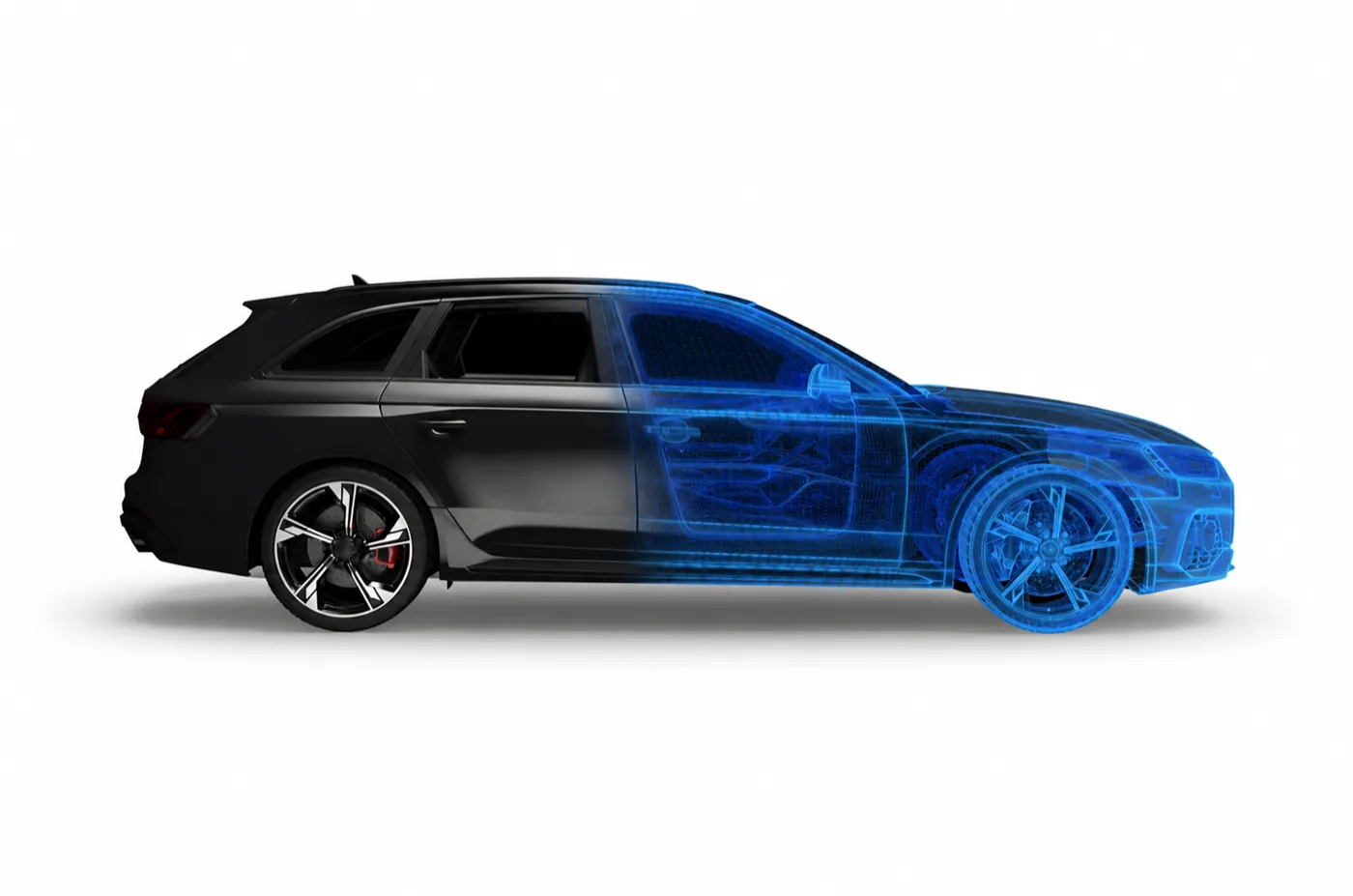
Collision-warning and braking-assistance systems use information from the equipment fitted to the vehicle. Camera, radar and other inputs vary by model, as do their operating limits.
Unexpected braking is not enough to diagnose a misaligned radar. Visibility, the environment, installation, software or other system faults can need investigation. A repeat location is a useful clue but does not establish that the behaviour is normal.
Include what happened, any warnings and recent glass, bumper or sensor work. Do not deliberately reproduce the event. If you are unsure whether the car is safe to drive, seek qualified advice before travelling.
Pick your make
Make-specific guides for the cars we see phantom-braking patterns on.
- By makeRead more
Volkswagen
Transporter and Golf. Front Assist on the radar, commonly phantom-triggered on commercial vans in urban driving.
- By makeRead more
Honda
Civic and CR-V. Honda Sensing's Collision Mitigation Braking (CMBS) shares its radar with ACC.
- By makeRead more
Hyundai
Tucson and Kona. Forward Collision-Avoidance Assist (FCA) is the system that triggers, and the Tucson is the model the industry knows for it.
- By makeRead more
Toyota
Corolla and C-HR. Toyota Safety Sense's Pre-Collision System (PCS) has had over-sensitive triggering reported on TSS 2.0.
Before you enquire
- 1
Read the exact warning
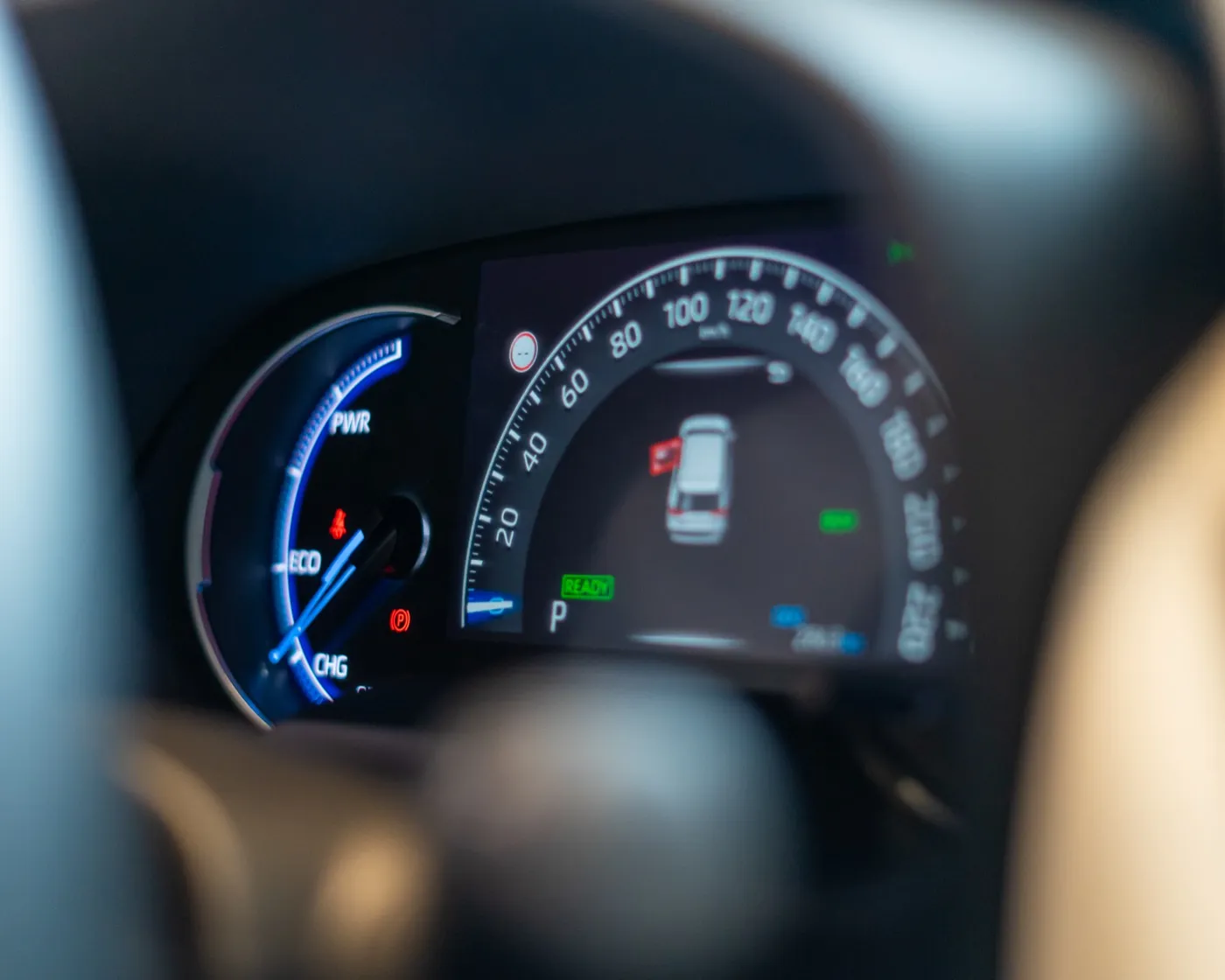
Follow the warning instructions in your handbook. Photograph the message while safely parked and include any other warnings. Do not rely on an affected assistance feature.
- 2
Describe recent work
Include glass, bumper, suspension, electrical or replacement-part work, and when the warning began. Missing details do not prevent an enquiry.
- 3
Keep earlier findings
Send relevant scan, repair and calibration reports. Do not repeatedly clear codes or test the system by deliberately triggering its warnings.
- 4
Explain practical concerns
Include your location and any unfinished repairs or concerns about driving. Seek qualified advice before travelling if you are unsure whether the car is safe to drive.
Which work may be needed
Unexpected braking requires assessment in the context of the vehicle, location and any repairs. A repeat location does not prove the system is fault-free, and braking after bodywork does not prove misalignment. Do not attempt to recreate the event during a journey.
A diagnostic scan reads available fault information. Its findings, repair instructions and any physical checks guide the next step; further investigation may be needed. The centre pre-scan price is £54 including VAT when that operation is required.
Front-radar calibration is £162 including VAT at a centre. Replacement configuration is a separate operation, listed at £232.80 including VAT. It is not a replacement-and-calibration package, does not supply or fit a part, and is not automatically required again if the installer has already completed it.
The vehicle-specific method can involve static work, a prescribed driving procedure or both. Calibration cannot repair damaged hardware, wiring or an unsuitable installation. The quote covers the work identified for your car; unsuccessful work or a return visit may carry charges.
ADAS calibration prices
Phantom braking is usually a front radar job, sometimes the windscreen camera alongside it. Rates are the same at every service centre, per system, shown inc VAT with the net figure alongside. Your total is confirmed in writing before anything is booked.
Calibration — per system
Coding a replaced part to your vehicle
- When your job needs a diagnostic pre-scan, it's £54 inc VAT (£45 +VAT), itemised separately. It reads available fault information; finding the cause may require further investigation. A post-scan is a separate operation.
- Two or more systems in one visit: the highest-priced system is full price, each additional system is 35% off at a centre. Scans aren't part of the discount. Front camera and front radar together come to £267.30 inc VAT (£222.75 +VAT).
- Replacement configuration and calibration are different operations. The work required depends on the vehicle and what the installer has already completed. Configuration prices do not include supplying or fitting a replacement part, or an automatic calibration bundle.
- Unsuccessful work, further investigation or a return visit may carry charges, including at a service centre. The appointment terms and written quote set out the work and applicable charges before booking.
- Mobile calibration is available for garages and bodyshops with workshop conditions. Ask us.
Frequently asked questions
Unexpected braking needs assessment. Assistance systems have operating limits, but a repeat pattern does not prove that an event is normal or that the car has no fault. Note the conditions, exact warnings and recent repairs without deliberately reproducing it. Seek qualified advice if unsure whether to drive.
Front camera calibration is £162 inc VAT (£135 +VAT), front radar is the same, with the full rate card on this page. Two or more systems in one visit: the highest-priced system is full price and each additional system is 35% off at a centre. The diagnosis side is the scan: £54 inc VAT (£45 +VAT), run before any work so you're paying to correct a proven aim fault, not a guess. A diagnostic scan, when your job needs one, is priced and itemised separately. Your quote is confirmed in writing before anything is booked.
No. Calibration is appropriate for a required aiming or learning operation; it cannot repair every cause of an assistance warning. Hardware, installation, wiring or configuration faults may need other work. Keep earlier findings and describe whether the warning never cleared or returned later. Repeating calibration is not a guaranteed remedy.
Sensor visibility, environmental conditions, installation, alignment or other system faults can be relevant. An event after bumper or windscreen work is important history, not proof of misalignment. The cause needs assessment before choosing a repair or calibration.
The location is useful evidence, but does not diagnose the cause. Road features and the system's operating limits can matter alongside installation, sensor and software issues. Note where it happened and any recent changes; do not repeat the event as a test or assume that calibration is either certainly needed or certainly irrelevant.
The exact warning and vehicle condition matter. An MOT result cannot be predicted from the assistance message alone; the current DVSA inspection manual covers applicable braking and steering defects. Do not treat an MOT pass as proof of completed calibration. Insurance authorisation and documentation depend on your policy and repair; a calibration record is not a guarantee of claim acceptance.
The required procedure and site conditions decide, not the warning alone. Static target work can need controlled space and floor conditions; dynamic calibration is a prescribed driving procedure, not a synonym for mobile attendance. Include your registration, location and repair history in the enquiry. Centre prices and mobile quotes are different.
Book your phantom-braking calibration
Send your registration and a line on what's been happening. We come back with the price, the nearest service centre, and the soonest slot.