ACC Deactivated: What It Means and How to Fix It
The 'ACC deactivated' warning is common across Volkswagen, SEAT, Škoda and Audi. Sometimes a dirty radar sensor is all it takes. Sometimes it's a fault code that needs a calibration specialist. Try the free checks below before you spend anything; if it does come down to calibration, prices start at £162 inc VAT per system.
Before driving with a warning
Do not rely on the affected assistance feature. Follow the warning instructions in your handbook. If you are unsure about the vehicle's condition or whether to drive, get advice from a qualified repairer before travelling.
What is ACC Deactivated?
Adaptive Cruise Control (ACC) uses a radar module, usually mounted behind the front grille or bumper, to measure the distance and speed of vehicles ahead.
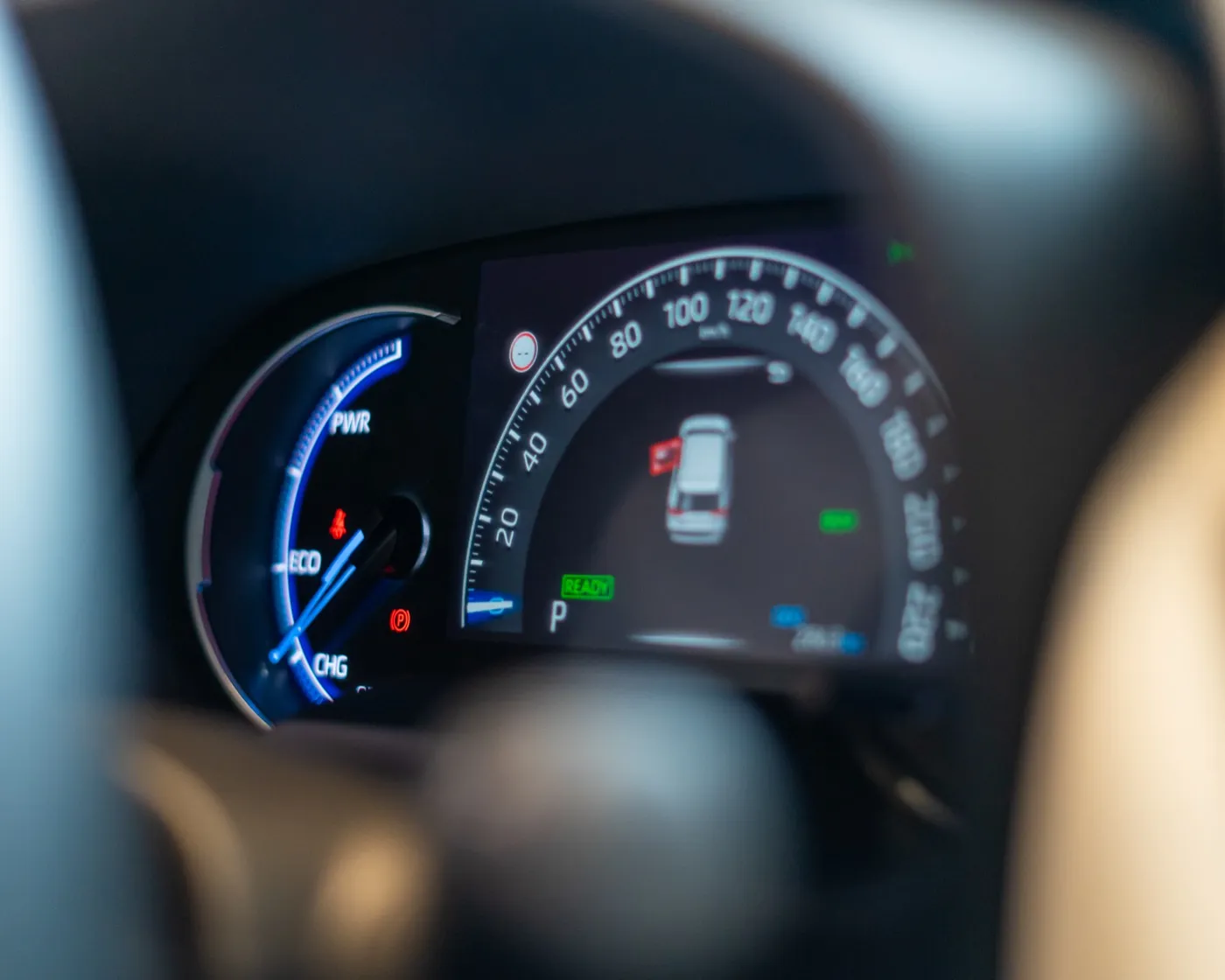
When the system loses confidence in that radar signal, it deactivates and shows a warning on the dashboard. The radar itself, its mounting bracket, the wiring to it, or a fault code stored in the module can all trigger the message.
Pick your make for specifics
The dash wording and the radar's exact home vary by make, so each make gets its own guide. VW, SEAT and Škoda share one front radar setup across the group; other badges say it in their own words.
- By makeRead more
Volkswagen
Golf, Polo, Passat, Touareg. Radar sits behind the VW badge on the grille.
- By makeRead more
SEAT
Leon, Ibiza, Arona, Ateca. Same radar platform as VW, same fix.
- By makeRead more
Škoda
Octavia, Superb, Karoq, Kodiaq. ACC uses the same front radar as the wider VW Group.
- By makeRead more
Hyundai
'Smart Cruise Control' is Hyundai's name for it, often with a 'Clean front radar' message. The front radar guide covers it.
- By makeRead more
Mercedes
'Distronic inoperative' is the Mercedes version of the warning. Covered in the Distronic fault guide.
Before you enquire
- 1
Read the exact warning
Follow the warning instructions in your handbook. Photograph the message while safely parked and include any other warnings. Do not rely on an affected assistance feature.
- 2
Describe recent work
Include glass, bumper, suspension, electrical or replacement-part work, and when the warning began. Missing details do not prevent an enquiry.
- 3
Keep earlier findings
Send relevant scan, repair and calibration reports. Do not repeatedly clear codes or test the system by deliberately triggering its warnings.
- 4
Explain practical concerns
Include your location and any unfinished repairs or concerns about driving. Seek qualified advice before travelling if you are unsure whether the car is safe to drive.
Which work may be needed
An ACC warning identifies an unavailable function, not a confirmed radar fault. Describe whether it is permanent or intermittent and include other warnings, recent repairs and any existing scan. An unexplained warning and a known post-repair calibration are different enquiries.
A diagnostic scan reads available fault information. Its findings, repair instructions and any physical checks guide the next step; further investigation may be needed. The centre pre-scan price is £54 including VAT when that operation is required.
Front-radar calibration is £162 including VAT at a centre. Replacement configuration is a separate operation, listed at £232.80 including VAT. It is not a replacement-and-calibration package, does not supply or fit a part, and is not automatically required again if the installer has already completed it.
The vehicle-specific method can involve static work, a prescribed driving procedure or both. Calibration cannot repair damaged hardware, wiring or an unsuitable installation. The quote covers the work identified for your car; unsuccessful work or a return visit may carry charges.
ACC calibration prices
Whatever the badge, this warning usually prices as one system: the front radar. If the warning followed a windscreen change, it's the front camera instead. Rates are the same at every service centre, per system, shown inc VAT with the net figure alongside. Your total is confirmed in writing before anything is booked.
Calibration — per system
Coding a replaced part to your vehicle
- When your job needs a diagnostic pre-scan, it's £54 inc VAT (£45 +VAT), itemised separately. It reads available fault information; finding the cause may require further investigation. A post-scan is a separate operation.
- Two or more systems in one visit: the highest-priced system is full price, each additional system is 35% off at a centre. Scans aren't part of the discount. Front camera and front radar together come to £267.30 inc VAT (£222.75 +VAT).
- Replacement configuration and calibration are different operations. The work required depends on the vehicle and what the installer has already completed. Configuration prices do not include supplying or fitting a replacement part, or an automatic calibration bundle.
- Unsuccessful work, further investigation or a return visit may carry charges, including at a service centre. The appointment terms and written quote set out the work and applicable charges before booking.
- Mobile calibration is available for garages and bodyshops with workshop conditions. Ask us.
Frequently asked questions
ACC runs on the front radar, and front radar calibration is £162 inc VAT (£135 +VAT) at a centre, whatever badge is on the grille. Front camera calibration is £162 inc VAT (£135 +VAT), front radar is the same, with the full rate card on this page. Two or more systems in one visit: the highest-priced system is full price and each additional system is 35% off at a centre. A diagnostic scan, when your job needs one, is priced and itemised separately. Your quote is confirmed in writing before anything is booked.
The appointment length depends on the vehicle, required procedure and condition. Dynamic work can depend on road and weather conditions; faults or unfinished repairs may need attention first. The booking arrangements give the expected timing for your job. Include earlier reports and any time or travel constraints with the enquiry.
No. Calibration is appropriate for a required aiming or learning operation; it cannot repair every cause of an assistance warning. Hardware, installation, wiring or configuration faults may need other work. Keep earlier findings and describe whether the warning never cleared or returned later. Repeating calibration is not a guaranteed remedy.
Sensor visibility, installation, wiring, calibration status or information from another system can affect ACC. The exact equipment varies by car. Include the warning, other messages and recent work; a battery event does not prove the radar lost its reference.
The exact warning and vehicle condition matter. An MOT result cannot be predicted from the assistance message alone; the current DVSA inspection manual covers applicable braking and steering defects. Do not treat an MOT pass as proof of completed calibration. Insurance authorisation and documentation depend on your policy and repair; a calibration record is not a guarantee of claim acceptance.
The required procedure and site conditions decide, not the warning alone. Static target work can need controlled space and floor conditions; dynamic calibration is a prescribed driving procedure, not a synonym for mobile attendance. Include your registration, location and repair history in the enquiry. Centre prices and mobile quotes are different.
Similar words identify an unavailable cruise function, not one universal fault. Sensor combinations and procedures vary between vehicles. Send the registration and exact message so the enquiry concerns the fitted system. Do not rely on ACC or assume a fallback cruise mode is available while a warning is showing.
Pick your make to get started
Choose your make above for the model-specific guide, or go straight to a quote: tell us the make, registration and what happened, and we come back with an itemised per-system price from £162 inc VAT and the nearest of 80+ UK service centres.