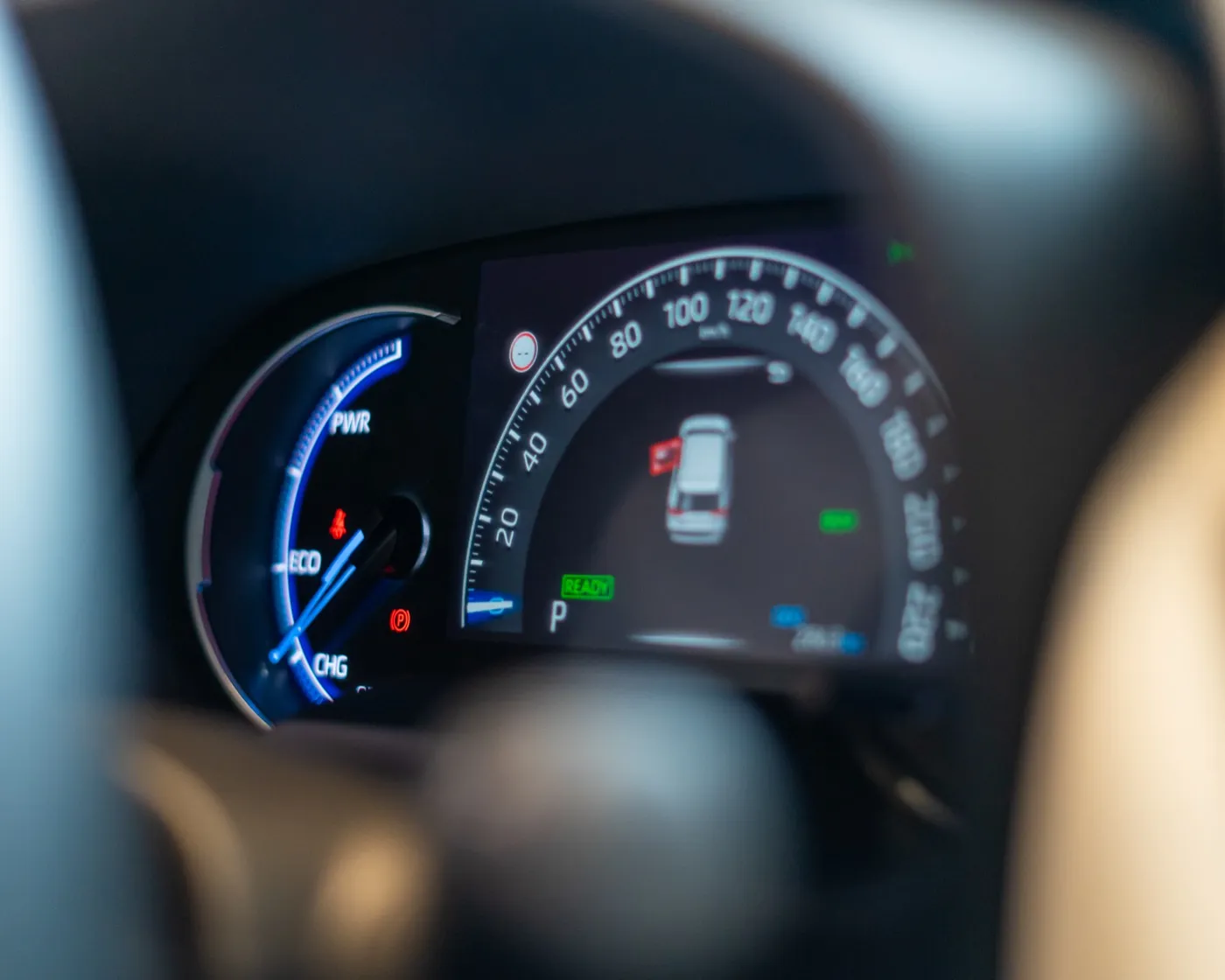
Twin-dial cluster showing the ACC deactivated message

SEAT 'ACC Deactivated': Why It Appears and How to Fix It

It shows up most on the Leon, Ibiza, and Ateca, often after bumper or badge work, sometimes on a car that's only just been bought. Here's what sets it off on a SEAT, and what putting it right costs.

Safe to drive

Safe to drive, but limited

Yes, you can drive the car. Adaptive cruise control is disabled until the system clears, but normal braking, steering and conventional cruise still work. The risk is reduced collision avoidance, so leave more following distance until it's resolved.

Why this happens on your SEAT

Almost every SEAT ACC fault comes down to one of a handful of triggers, and the radar behind the front badge is at the centre of all of them. Run through these and find the one that matches what's happened to your car.

Take the front bumper off for a repair or a respray and it rarely goes back to the exact angle it left the factory at. The radar behind it moves with it. Even a slow-speed scrape that left no visible mark can be enough to put the aim out and trip the fault.

SEAT owners do a lot of front-end styling, and the grille badge is the easiest change going. The radar sits right behind it. Pop the badge off to debadge the car or fit a gloss-black one, and you can disturb the module or the path the signal takes. If the fault landed right after a badge change, that's your answer.

The radar has a partner: a camera at the top of the windscreen that ACC also relies on. Swap the glass and that camera needs recalibrating, but plenty of windscreen jobs finish without it. ACC, lane assist and Front Assist then drop out together a short while later.

A common one, especially on the Leon: you buy a used SEAT and notice Front Assist and ACC were never working. Usually the front end was repaired at some point and never recalibrated, or the car came through as a salvage-category buy. A scan shows whether it's a calibration job or something deeper the previous owner left behind.

The radar aims relative to the car's geometry. A four-wheel alignment, new suspension, or a ride-height change can move its reference enough to drop ACC. It also works the other way round: the garage carrying out an alignment is often the one that spots the fault in the first place.

Sometimes there's nothing to point at. No repair, no knock, no new glass. Radars drift slowly, and they can log a soft fault that won't clear on its own. There's no fix for this one at the roadside. A diagnostic scan reads the code and says whether it's calibration or hardware.

Pull the codes yourself, or have a garage do it, and two keep coming up on SEATs. C110300 says the radar can't finish its own calibration. U023500 says the car has lost its link to the front distance sensor. Both run across the VW Group, and both mean calibration work, not a dead radar.

How we fix it

Before you book anything, give the radar area behind the badge a wipe and restart the car from cold. The odd soft fault clears that way. If the warning's still up, the radar needs recalibrating.

That's a fixed £349 across the network, the scan and a calibration certificate included, and the diagnostic costs nothing if you choose not to go ahead. For the procedure step by step, see how ADAS calibration works.

ADAS calibration price tiers

Pricing is fixed across our network. Same price wherever you are in the UK. Your tier is set by what work has been done, not by your postcode or your car's make.

Service Price
Windscreen Calibration Static and dynamic methods covered
£199
Radar / Sensor Calibration Covers up to 3 ADAS systems in one visit
£349
Collision Calibration Post-accident realignment
£349
Full System Reset Everything plus DTC clearing
£499

All prices include the diagnostic scan, the calibration procedure (static, dynamic, or both as required), a post-calibration check, and a calibration certificate. No charge for diagnostic if you decide not to proceed.

Get your SEAT's ACC fault sorted

Send your registration and a line on what's happened. We'll come back with the fixed price, the nearest accredited workshop, and the soonest available slot.

  • 80+ accredited workshops, UK-wide.
  • Fixed-fee calibration from £199.
  • OEM-spec calibration. IMI-certified technicians.
STEP 1 / 3 ~60 sec

Tell us about your car

A few details

Photos (optional)

How do we reach you?

Frequently asked questions

Radar calibration is a fixed £349 across our network, the same wherever you are in the UK. It covers the diagnostic scan, the calibration itself, and a calibration certificate. If the scan shows the radar has actually failed and needs replacing rather than calibrating, you'll hear the cost before anything goes ahead. The diagnostic is free if you choose not to proceed.

On the Leon, the faults we see most often trace to bumper or grille work and to badge swaps. The radar sits behind the front badge, so a refitted bumper, a respray over the radar area, or a popped-off badge can all move its aim or block its signal. A parking knock with no visible damage does the same. Windscreen replacement is the other regular trigger, when the camera that pairs with the radar isn't recalibrated afterwards.

Often, yes. A used SEAT where Front Assist and ACC were never active usually has a front end that was repaired at some point and never recalibrated, or it came through as a salvage-category car. If the radar module itself is sound, a calibration brings the system back. If a previous repair left it damaged, it needs replacing first. A diagnostic scan tells you which before anything is booked.

It can. The radar's aim is set relative to the car's geometry, so a four-wheel alignment or suspension work that changes the thrust line can put it out of tolerance. It also works the other way: a garage carrying out an alignment is often the one to flag that Front Assist or ACC isn't working. Either way, the radar needs a calibration to bring it back within spec.

Other SEAT ADAS faults we fix

Front Assist, ACC and lane assist all lean on the same radar and camera. If your SEAT is flagging more than one, a single calibration visit usually clears the lot.