What Is ADAS Calibration?
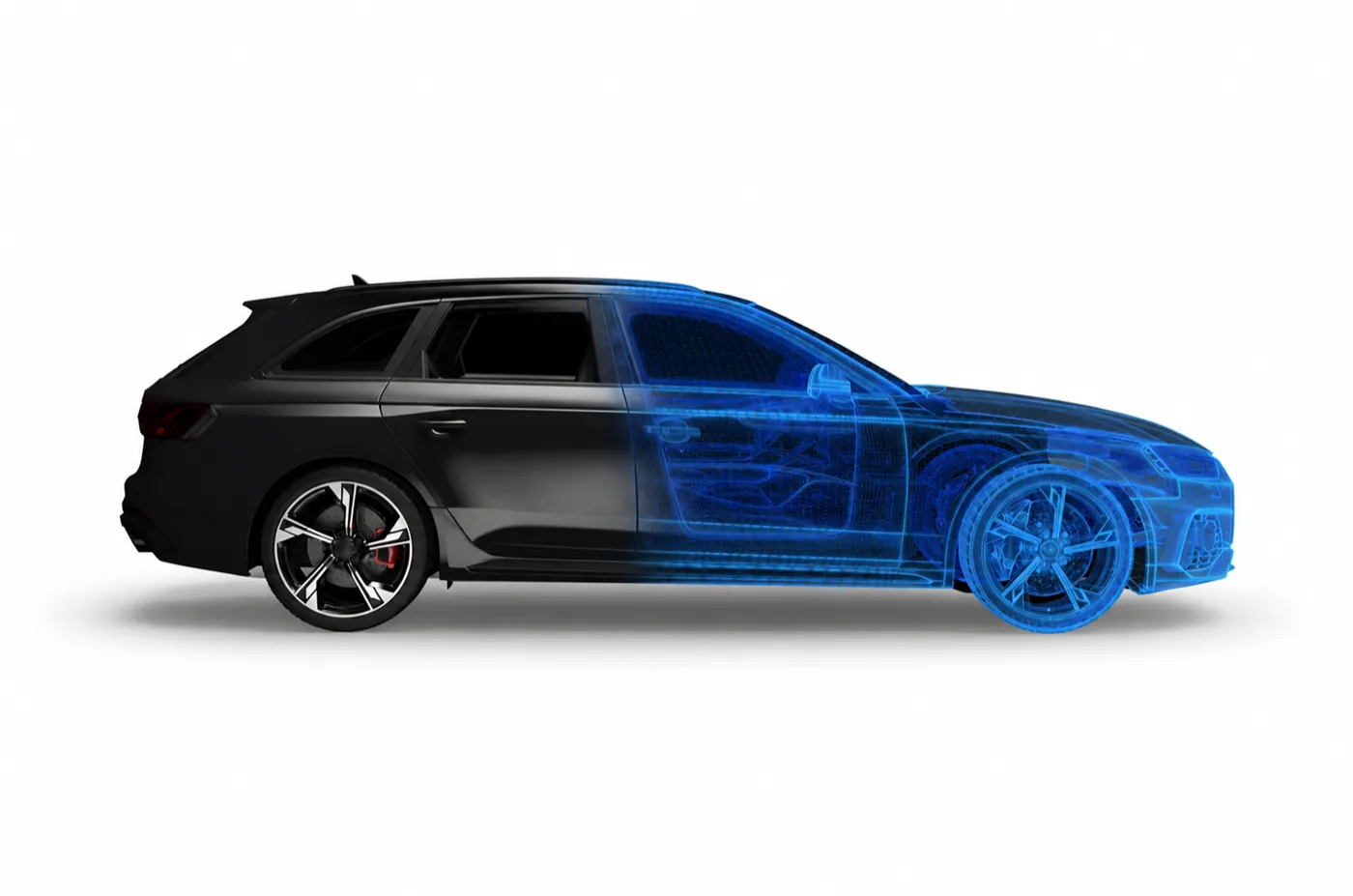
ADAS stands for Advanced Driver Assistance Systems - the cameras, radars and sensors that power your car's safety features. Calibration is the process of aligning those sensors so they read the road accurately. When calibration is lost, your car's safety systems either stop working or - worse - work inaccurately. From 420+ customer cases, here is everything you need to know.
What ADAS Systems Does Your Car Have?
Most vehicles manufactured after 2016 have at least one ADAS feature. Many current models have six or more. From July 2024, new EU and UK type-approved vehicles must include automatic emergency braking, lane keeping assist and intelligent speed assistance as standard.
Each manufacturer brands their ADAS suite differently. Toyota calls it Toyota Safety Sense. Volkswagen uses Front Assist and Travel Assist. BMW brands it Driving Assistant. Mercedes uses Intelligent Drive. Ford calls it Co-Pilot360. Hyundai uses SmartSense. The brand names differ but the underlying technology is the same: cameras and radar sensors monitoring the road and the vehicles around you.
Common ADAS features include automatic emergency braking (AEB), adaptive cruise control (ACC), lane departure warning (LDW), lane keeping assist (LKA), blind spot monitoring (BSM), traffic sign recognition (TSR), parking assistance and surround-view cameras. Each of these depends on at least one sensor being precisely aligned to the vehicle's centreline and the road surface.
What Does Calibration Actually Do?
Every ADAS sensor has a specific field of view and detection zone. Calibration aligns that sensor precisely relative to the vehicle's centreline, the road surface and the horizon. Think of it like aligning the sights on a rifle - if the alignment is off by even a small amount, the system misses its target.
For cameras, calibration involves positioning manufacturer-approved targets at exact distances and angles, then running software that adjusts the camera's reference frame. For radar, calibration uses reflective targets to verify detection zones and distances. The process varies by manufacturer and sensor type, but the principle is the same: giving each sensor a precise reference point so it knows exactly where it is looking.
Research by Thatcham Research found that a windscreen camera misaligned by just 1 degree results in a detection error of 1.75 metres at a distance of 100 metres. At motorway speeds, that error is the difference between the system braking for an obstacle in your lane and braking for one in the adjacent lane.
When Is Calibration Required?
From our data across 420+ customer enquiries, five events account for nearly all calibration needs. Here is how often each one triggers a calibration request.
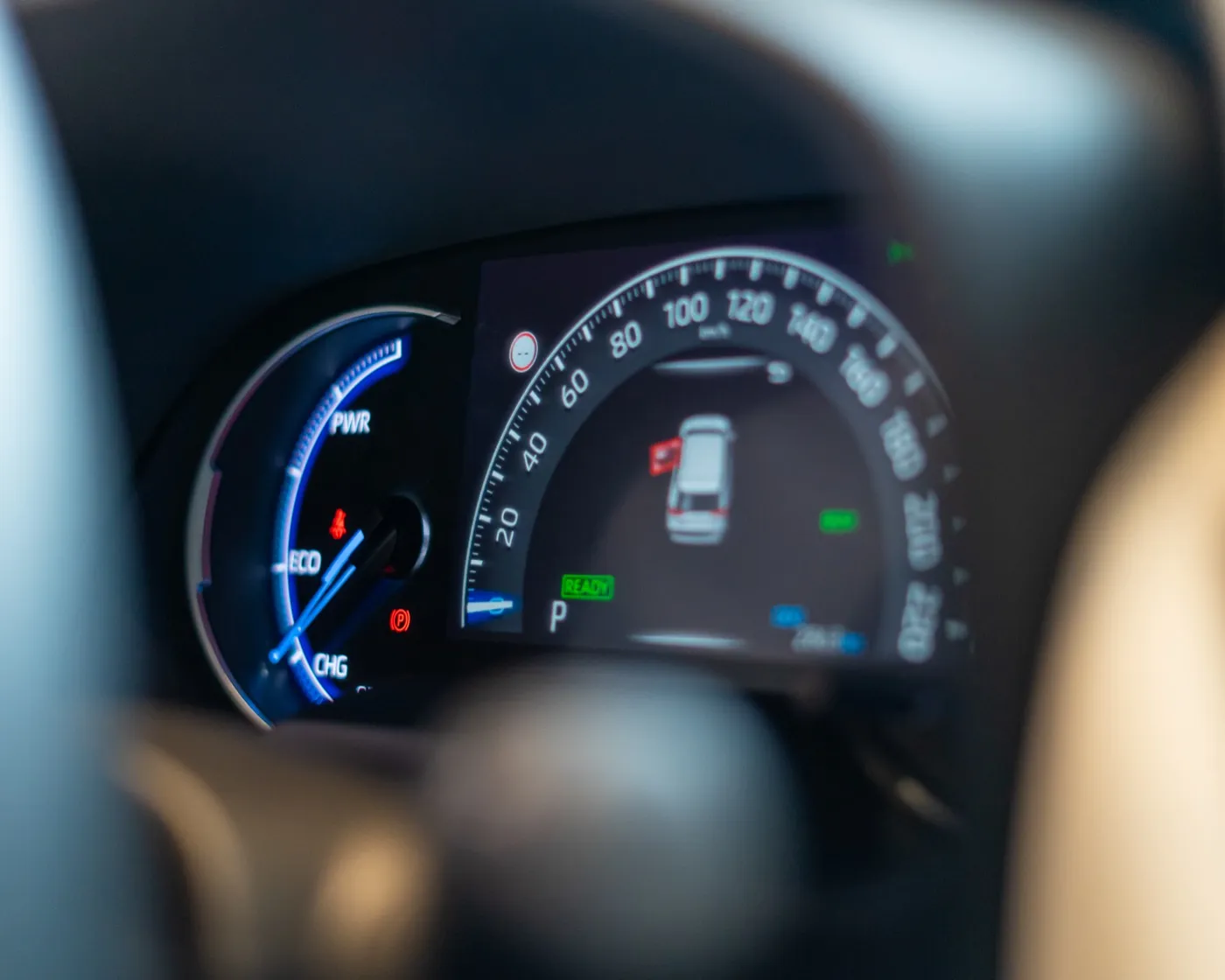
Warning lights or error codes (22% of our enquiries). The most common entry point. A dashboard warning appears - "Front Assist not available", "Pre-Collision System Malfunction", "Driving Assistant Inactive" - and the driver needs to know what happened and how to fix it. The warning means a sensor has detected it's out of alignment or a communication fault has occurred.
Bumper replacement or bodywork (20%). The front radar sits behind the grille badge on most vehicles. Any bumper removal, respray or front-end panel work can shift the radar mounting bracket by enough to throw off the entire system. Body shops fix the metal but often don't flag the ADAS requirement.
Parts replacement (18%). Replacing a radar module, camera, sensor or even a component near a sensor (like a headlight that required bumper removal) triggers the need for recalibration. New parts need to be initialised and aligned to the vehicle.
Collision repair (14%). Any impact significant enough to require bodywork will likely displace sensors in the affected area. Even minor parking bumps can shift a radar enough to trigger an error code.
Windscreen replacement (14%). The forward camera mounts to a bracket bonded to the windscreen glass. When the glass is replaced, the camera position shifts. Every windscreen replacement on an ADAS-equipped vehicle requires camera recalibration.
Less common triggers include wheel alignment work (some manufacturers require recalibration after alignment changes), battery disconnection (BMW and Mercedes can require a system reset), sensor theft and aftermarket modifications.
Static vs Dynamic Calibration
There are two calibration methods. Static calibration is performed indoors in a controlled workshop using precision targets positioned at exact distances from the vehicle. This is the most common method for camera systems and requires a level floor, controlled lighting and adequate space.
Dynamic calibration requires driving the vehicle on specific road types at set speeds so the system can self-adjust using real road markings, signs and other vehicles as reference points. Some vehicles require static calibration. Some need dynamic. Certain models - particularly Volkswagen Group vehicles - require both methods in sequence.
The calibration method is determined by the vehicle manufacturer's engineering team, not by the technician. Your vehicle's service documentation specifies which method applies to each sensor on your specific model and build year.
Why Calibration Matters for Safety
An uncalibrated ADAS sensor does not just stop working. In many cases it continues working - but inaccurately. A misaligned camera reads lane markings 30 centimetres from where they actually are. A misaligned radar measures following distances incorrectly. The adaptive cruise control tracks a vehicle in the next lane. The AEB calculates wrong braking distances.
These errors don't always trigger warning lights. Stellantis vehicles can have what technicians call "soft faults" - sensors operating with error margins that don't trigger a diagnostic trouble code. The dashboard shows all systems active. The driver trusts the safety net. The safety net is unreliable. From industry data, 1 in 10 vehicles arriving for calibration has component damage that neither the driver nor the previous repair shop knew about.
This is why ADAS calibration is not optional after a triggering event. It is a safety procedure, not an upsell.
What to Expect During Calibration
- Diagnostic pre-scan. The technician scans all ADAS modules to identify which sensors need calibration and whether any underlying faults need resolving first.
- Environment setup. For static calibration: the vehicle is positioned on a level floor, targets are placed at manufacturer-specified distances. For dynamic calibration: the vehicle is driven on suitable roads with the diagnostic system monitoring the calibration process.
- Calibration procedure. OEM-grade software runs the manufacturer's calibration routine for your specific vehicle model and build year. The system uses the targets or road references to realign the sensor.
- Post-calibration verification. A post-scan confirms all systems are calibrated and no fault codes remain. A verification drive checks that the systems function correctly in real conditions.
- Certificate. An IMI-certified calibration certificate documents the work for your records and insurance.
Camera calibration takes 60-90 minutes. Radar calibration takes 60-120 minutes. A full system reset covering all sensors takes 2-4 hours. See our pricing and timing guide for full details by service type.
What Is ADAS Calibration? — Common Questions
Answers to frequently asked questions on this topic
There is no standalone legal requirement to calibrate ADAS systems on a schedule. However, driving with malfunctioning safety equipment could be considered a roadworthiness issue. If uncalibrated ADAS contributes to an accident, it could affect your insurance claim and legal liability. Practically, calibration is required after any trigger event specified by the manufacturer.