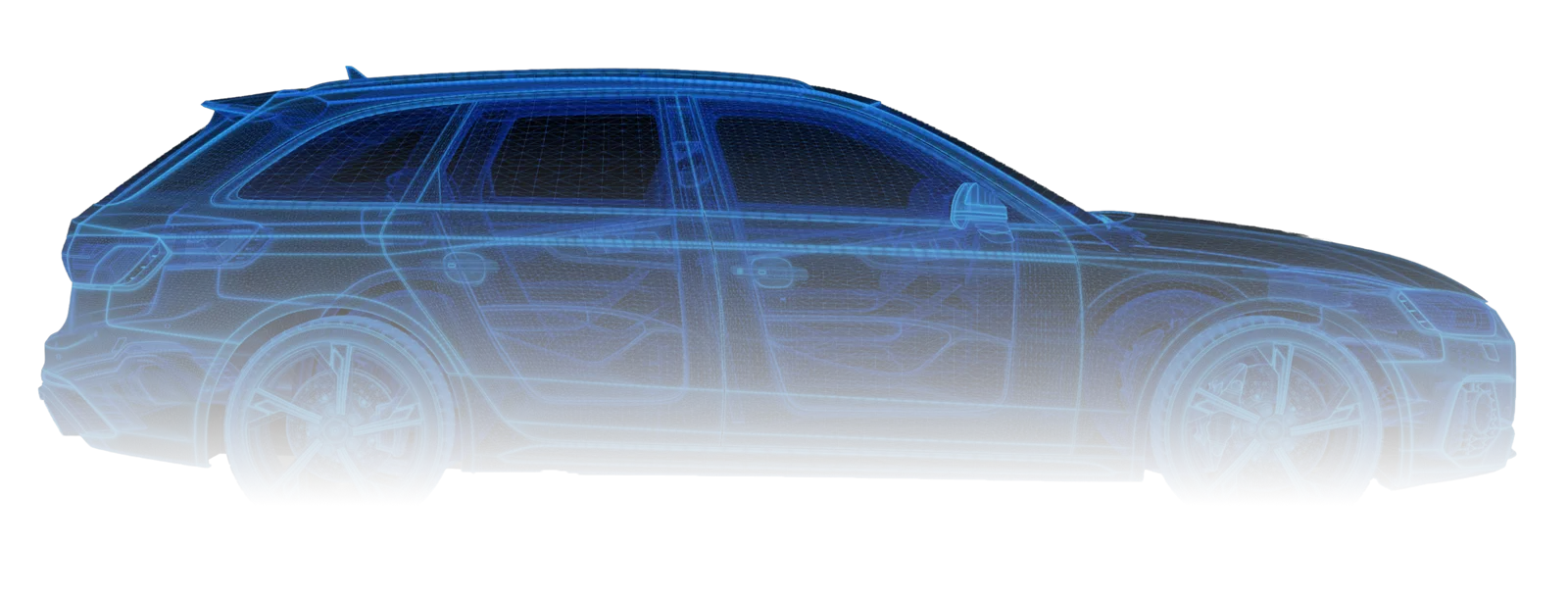
Blind-spot radar calibration. £162 including VAT.
Blind-spot radar calibration checks or sets how the rear radar is aligned with your car. It may be needed after relevant bumper or body repairs, sensor removal or replacement. The required work depends on your vehicle and what has changed.
- Centre price for rear-radar calibration.
- The required sensors and operations depend on the vehicle and repair.
- Diagnosis, parts, repairs and replacement setup are separate.
The warning is in the mirror. The radar usually isn't.
On many radar-based blind-spot systems, sensors sit behind the rear bumper corners. The mirror light is an indicator, not the radar itself. Small round parking sensors and mirror-mounted cameras do different jobs.
A blind-spot warning does not prove calibration is the answer. Damaged mounts, wiring faults or unsuitable bumper repairs may need attention first. Calibration cannot repair those problems.
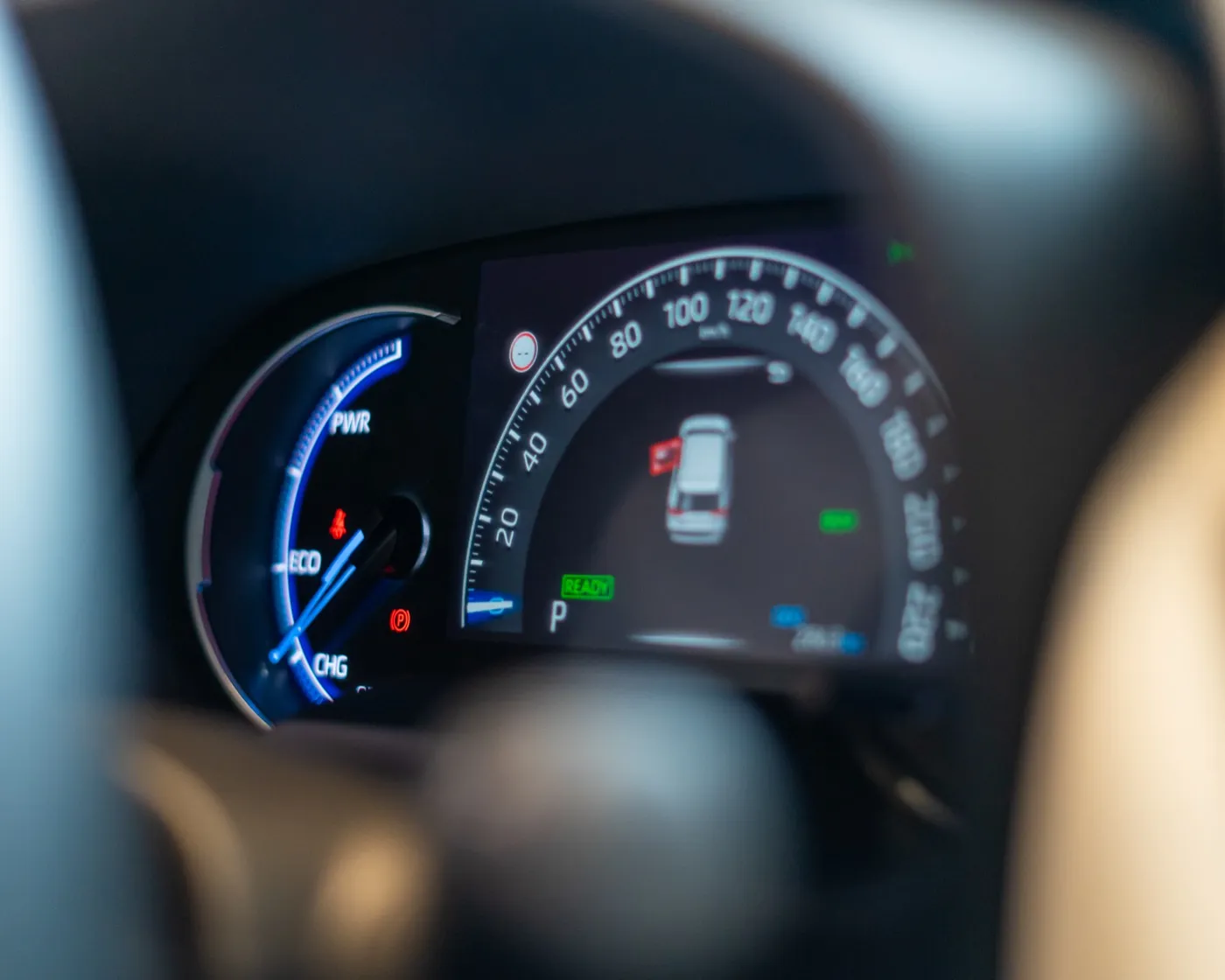
Tell us the warning and what happened before it appeared; you do not need to identify the faulty part. Follow your handbook's warning instructions and seek qualified advice if you are unsure whether to drive.
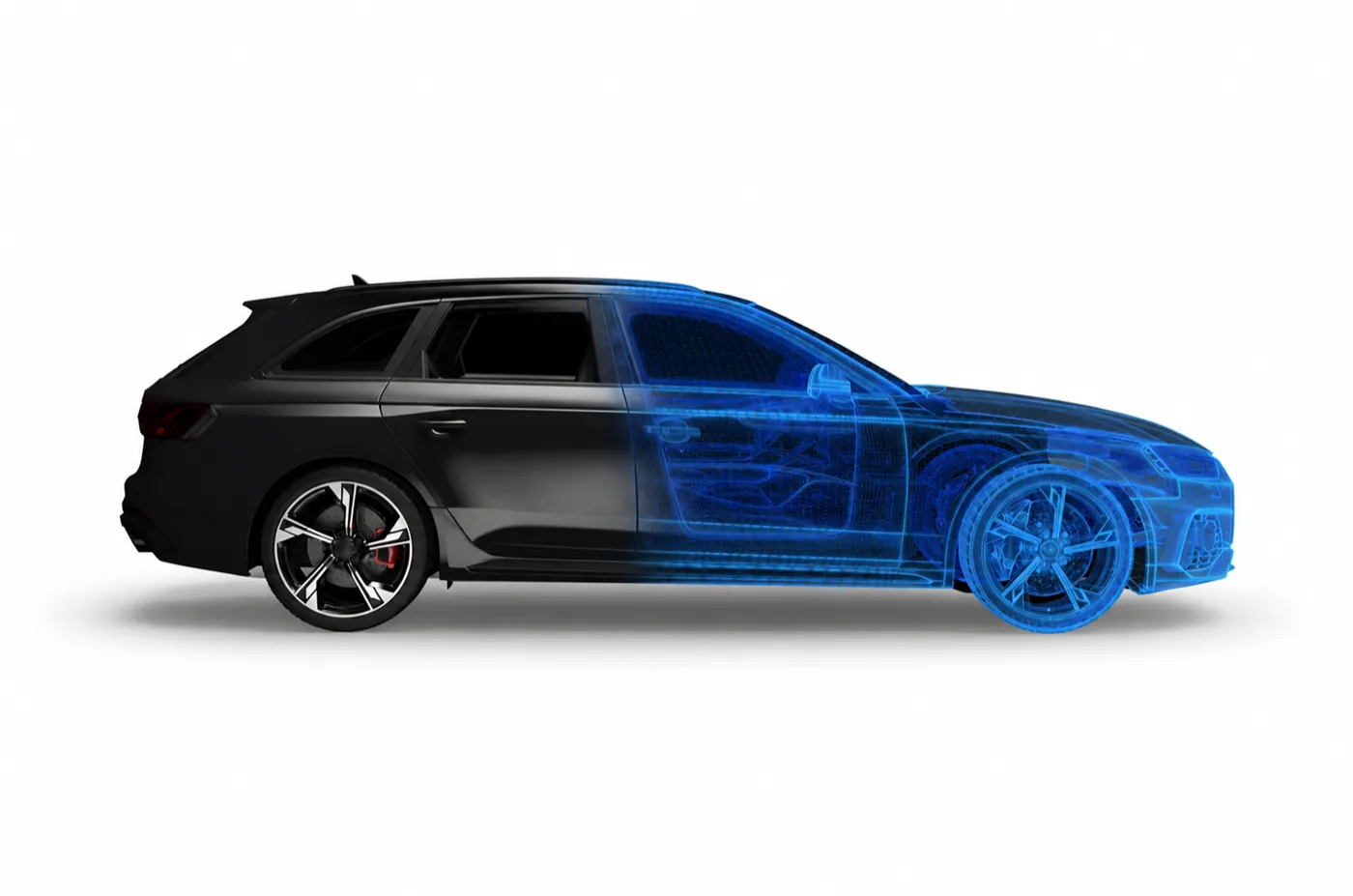
Generated illustration of a rear-corner radar sensor. Position and mounting vary by vehicle.
What has changed on your car?
Tell us about recent work, even if only one side has stopped working.
-
The rear bumper has been repaired
Tell us about removal, replacement, repainting or an impact. Whether calibration is required depends on the manufacturer's procedure, not just whether a warning has appeared.
-
Only one side is affected
Say which side and what you see: a dashboard message, a mirror light or missed warnings. One-sided symptoms do not establish which component needs work.
-
A radar has been replaced
Include the part details if available, whether it is new or used, and any setup already attempted. Replacement configuration and calibration are different operations.
Centre prices
Calibration aligns the rear radar with the vehicle. Replacement configuration sets up a compatible unit after it has been fitted. These are separate operations, not a fixed package.
The calibration price is not an all-inclusive repair of both sides. The sensors and operations required depend on the vehicle and repair. Diagnosis, parts, physical repairs and replacement setup are separate; unsuccessful work or return visits may carry charges.
From enquiry to appointment
- 1
Share the history
Send the registration, affected side, warning and recent repair history. Existing findings help distinguish a known calibration task from an unexplained fault.
- 2
Confirm the work
Mounting damage, unsuitable bumper repairs or unresolved electrical faults can prevent calibration. Installation condition matters as well as the sensor itself.
- 3
Follow the vehicle procedure
The technician follows the required inspection, aiming or learning procedure for the vehicle. There is no universal target arrangement for every blind-spot system.
- 4
Keep the findings
The procedure result and any unresolved faults determine the next step. Keep the findings with the original repair and scan records.
What to send with your enquiry
- Registration and warning: the exact message and whether one side or both seem affected. A clear dashboard photo helps.
- Recent changes: rear impacts, bumper removal or paintwork, body repairs, towbar or carrier fitting, and when the warning began.
- Replacement parts: which radar, bracket, bumper or mirror changed; new or used parts and any setup already attempted.
- Existing findings: relevant pages from scan and repair reports, plus your location and any travel concerns.
Unknown details are fine. Do not remove the bumper, adjust a sensor or clear codes just to prepare for the visit.
More about rear-radar calibration
Radar removal or replacement, work to its mounting area and some collision or bumper repairs can require model-specific alignment checks or learning. The manufacturer's procedure determines what is needed.
The work may involve checking alignment, adjusting it or resetting a learned reference. A sensor can need the specified post-repair work without an obvious warning. An unexplained warning, however, may need a diagnostic scan and further investigation before calibration.
A radar behind the bumper operates through the material in front of it. The correct bumper, permitted repair and paint treatment, and mounting condition all matter. A tidy outer surface does not establish that the bracket behind it is undamaged.
Restrictions differ between manufacturers and vehicles. There is no universal paint-thickness limit or rule that every repainted bumper needs replacing. Calibration cannot compensate for unsuitable filler or a distorted mount. Describe the repairs in your enquiry; leave bumper removal and physical inspection to a workshop.
No. Some systems use a static inspection or aiming procedure with specified equipment. Others use a reset and learning process that can include driving under prescribed conditions.
A self-learning system still needs the relevant repair checks and correct installation. Its routine may need to be initiated with diagnostic equipment. Driving until a warning disappears is not proof that the required work is complete.
A compatible replacement may need configuration, coding or learning as well as calibration. Configuration sets up the unit for its application; calibration concerns alignment and the reference to the car. Neither operation repairs damaged hardware or makes an incompatible part suitable.
Used units can have setup restrictions. Include any part details, the side changed and work already completed. Two displayed service prices are not an instruction to buy both: some setup may already have been done by the installer.
A one-sided symptom does not establish the full procedure. Some work concerns an individual sensor; other checks or learning may involve the system. Requirements depend on the vehicle, findings and repairs.
A mirror lamp, dashboard message, missed warning and unexpected warning describe different symptoms. Include which side is affected and what you actually see. The calibration price must not be interpreted as either a guaranteed two-sensor package or a charge that always needs doubling.
Small round parking sensors, reversing cameras and rear-corner radar are different devices. Some mirror-mounted cameras provide side views but are not the same as radar-based blind-spot monitoring.
Rear radar can support several functions, including rear cross-traffic alerts on some vehicles. Shared hardware does not make a radar calibration an all-inclusive repair of every parking function. A problem with an overhead camera image instead belongs to surround-view camera calibration.
Keep the findings, including which side was worked on and whether the procedure completed. Note when the warning appeared and any further repairs. This helps distinguish an incomplete procedure from a returning or unrelated fault.
A warning going out briefly is not a complete account of a repair. Repeating calibration or clearing codes is not a substitute for investigating an unresolved mounting, hardware, wiring or compatibility problem.
Frequently asked questions
Not automatically. Tell us which mirror parts were replaced and describe the light, message or missing view. A mirror-camera calibration, wiring check or rear-radar job are different possibilities; the vehicle and findings determine the work. A warning alone is not a reason to order a replacement mirror.
No. A warning disappearing does not establish that the required repair checks or learning procedure have been completed. Some systems do learn during driving, but only under their specified conditions. Share the repair history and any records rather than testing the system by deliberately relying on its warnings.
Yes. A manufacturer's repair procedure can require aiming checks or learning after relevant work even without a stored fault code. Send the scan and details of the repair. A clear code list does not replace those requirements, and it does not mean calibration is needed in every case either.
We cannot establish whether your car is safe to drive from an enquiry. Follow the warning instructions in your handbook and seek advice from a qualified repairer if unsure. Do not rely on the affected assistance feature. Tell us about travel concerns before arranging the appointment or transport.
No. Calibration concerns alignment or the system's reference, not physical repair. A damaged bracket, unsuitable bumper repair or faulty unit may need attention before the procedure can complete. Include known damage and unfinished repairs in your enquiry.
Tell us about the warning or repair
Send your registration, the affected side and any recent repairs or previous findings. Describe what you see; you do not need to identify the faulty part. Find a service centre near you.