Blind-spot radar coding after replacement. £226.80 including VAT.
A replacement blind-spot radar may need coding to give it the vehicle settings it needs. This electronic setup is separate from physical fitting and radar calibration. The required work depends on the part fitted and what's already been done.
- Centre price for setup after blind-spot radar replacement.
- The radar itself and fitting aren't included.
- Calibration, diagnosis and repairs are separate work.
The replacement needs to suit the car
A radar can plug into the wiring and still need configuration for the car. The correct part and installation matter too. Coding can't repair a damaged bracket or make an unsuitable unit compatible.
Blind-spot radars are often behind the rear bumper corners, though locations vary. The mirror warning lamp, a mirror camera and a round parking sensor are different components. If the invoice only says 'rear sensor', tell us what was repaired.
Don't rely on affected assistance functions while a fault remains. Follow your handbook's warning guidance.
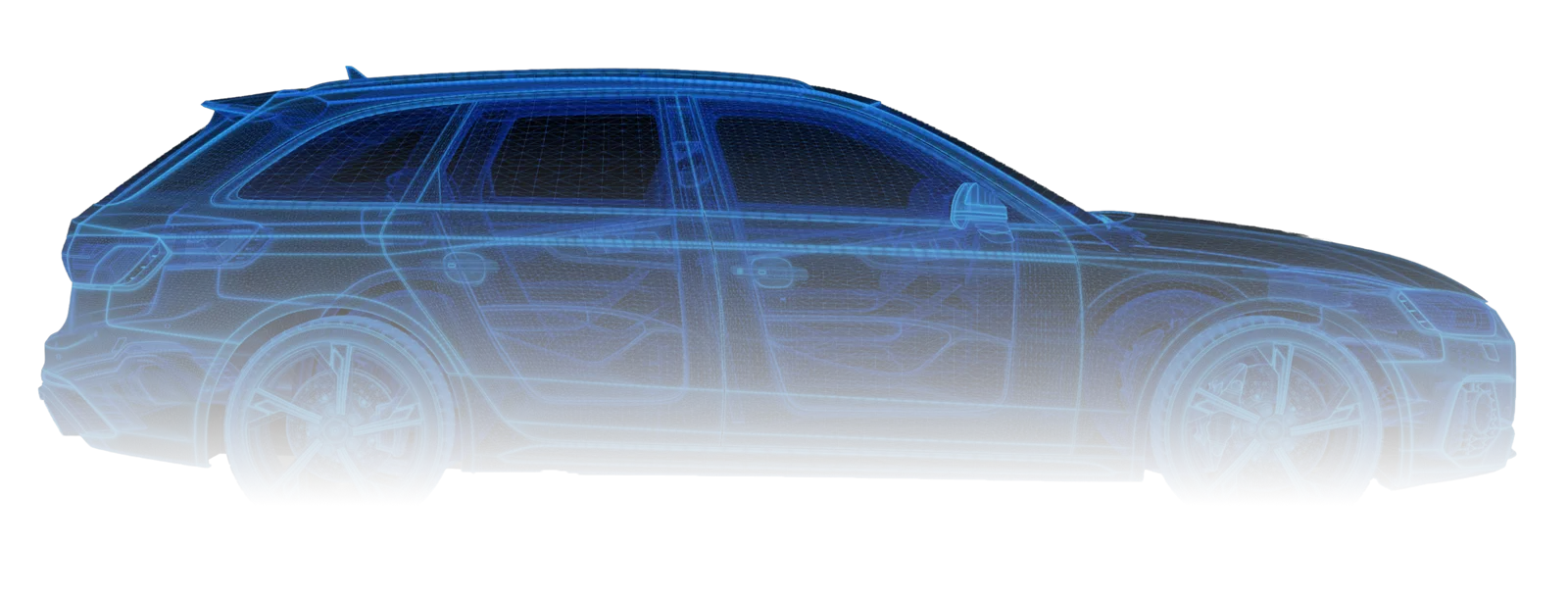
Generated illustration of a replacement blind-spot radar module and connector. Design and connections vary by vehicle.
What happened after replacement?
Illustrative situations based on the questions owners bring to us.
-
A new radar is fitted
The garage has installed the unit, but its setup record is unclear. Configuration and calibration may still be needed. Any work already completed helps narrow down what's left.
-
One side changed, a warning remains
The dashboard says the system is unavailable after one radar was replaced. That message alone doesn't show that the other radar has failed or that coding is the only missing step.
-
A used unit has been bought
A similar-looking unit may have a different part version or setup requirement. Existing part details help assess compatibility before more money is spent on fitting or another replacement.
Coding and calibration prices
These are separate centre services. Your car may need both, or some setup may already be complete. The written quote identifies the sensors and work covered.
The setup rate covers electronic setup after replacement. Parts, fitting, diagnosis and physical repairs are excluded. The prices don't form a fixed package or a price for replacing both radars.
How replacement setup is approached
- 1
Identify what changed
The vehicle details, side replaced and existing repair records establish which radar is fitted and what setup has already been attempted.
- 2
Check the replacement
Part compatibility and installation condition affect whether setup can proceed. Mounting damage or connection faults may need attention first.
- 3
Configure as required
The vehicle's replacement procedure determines the electronic setup. It can involve transferring settings or coding the unit for the car's equipment.
- 4
Complete the remaining checks
Any required calibration and function checks follow the vehicle's procedure. These can be separate work. Keep the findings with the repair paperwork.
What to send with your enquiry
- Registration and location: include the warning message and which side was worked on.
- What changed: a replacement radar or the original unit refitted, plus any bumper or body repairs.
- Part details: new or used, already fitted or still awaiting fitting. A part number from an existing invoice helps.
- Work already done: coding or calibration attempts, with relevant scan findings and repair records, including records from before removal if you have them.
Unknown details are fine. Don't remove the bumper or dismantle a sensor to gather this information.
More about replacement radar setup
Coding or configuration gives a replacement radar the vehicle settings it needs. Calibration checks or sets its directional reference to the car. Physical fitting is another part of the repair. Completing one doesn't establish that the others are complete.
Manufacturers use different setup methods. Some transfer settings using diagnostic equipment; others specify automatic configuration or a particular coding routine. A software update isn't the same operation as all of these. The current procedure for your vehicle determines the work. See blind-spot radar calibration for the separate calibration service.
Not automatically. Some systems allow a single unit to be replaced, subject to compatibility with the unit on the other side. Others have specific paired-part requirements. Left and right parts can differ, and the part version can matter as much as the model name.
A warning affecting the whole system doesn't prove that both radars are faulty. Diagnosis and the vehicle's replacement instructions establish which units need attention. Tell us which side changed; don't buy a second unit solely because the warning remains.
A used unit needs a compatibility and condition check before setup can be agreed. A matching plug or housing doesn't establish that the part version is suitable, or that the required setup can be completed.
Send any available part number and the installer's findings. A fault report that mentions configuration or vehicle identification is useful too. Coding can't make an unsuitable unit compatible, and successful setup of a used part can't be guaranteed. Existing details are enough to start the enquiry; leave physical inspection to the repairer.
Tell us the original unit is still fitted. Bumper removal or body repair doesn't, by itself, establish that a radar has been replaced. The relevant work may be calibration or checks of the installation.
Some repairs involving retained modules also require configuration changes under the vehicle's procedure. So the repair record matters more than assuming that every refitted sensor needs replacement coding, or that it needs no setup at all. Include what the bodyshop changed and any findings after reassembly.
Keep the record of what completed and what failed, including the side worked on. A scan taken before removal can help where the replacement procedure uses the original unit's settings. Missing paperwork doesn't establish that setup is impossible.
If configuration is complete, calibration or another fault may still need attention. Clearing a fault code isn't the same as completing the required setup and checks. A remaining warning needs its own findings; repeating coding without knowing why it failed may leave the cause untouched.
Frequently asked questions
Usually the cause needs investigating first. An unavailable or intermittent warning can have several causes, including an obstruction, damaged wiring or a faulty component. A diagnostic scan and the repair history help identify the next step. The warning alone doesn't show that a radar needs replacing.
A replacement mirror doesn't establish that a blind-spot radar was changed. The mirror can carry a warning lamp or a camera while the radar sits elsewhere. Describe the mirror work and what's stopped working. An existing invoice or photo helps identify the component without dismantling anything.
Some vehicles use rear radar for both blind-spot monitoring and rear cross-traffic alerts. A radar fault or incomplete setup can therefore affect more than one function. The two functions still have their own checks. A missing reversing-camera picture or a parking-sensor fault may involve different hardware.
Yes. Give us the registration, what you were told was replaced and what the dashboard now says. Attach any paperwork you already have. You don't need to choose between coding and calibration before asking for a quote.
Had a blind-spot radar replaced?
Tell us what was fitted and what still isn't working. Send any existing part details or setup records with your enquiry. Find a service centre near you.