Front camera calibration. £162 including VAT.
Front camera calibration sets up the vehicle to interpret its forward-facing camera's view correctly. It may be required after windscreen or camera work, even without a dashboard warning.
- Centre calibration price; diagnosis, replacement setup and repairs are separate.
- Camera and windscreen supply or fitting are not included.
- Enquire after glass or camera work, with or without a warning.
Is this the camera service you need?
This service is for the driver-assistance camera looking through the windscreen, often near the interior mirror. It is not for a dashcam, reversing camera or 360-degree parking cameras.
After glass or camera work, the manufacturer's instructions determine which checks and calibration are required. No warning on the dashboard does not prove that the job is complete.
A lane-assist or braking-assistance warning alone does not identify the faulty part. Glass, installation, wiring or camera damage may need attention first. Follow your handbook's warning instructions and ask a qualified repairer if you are unsure about driving.
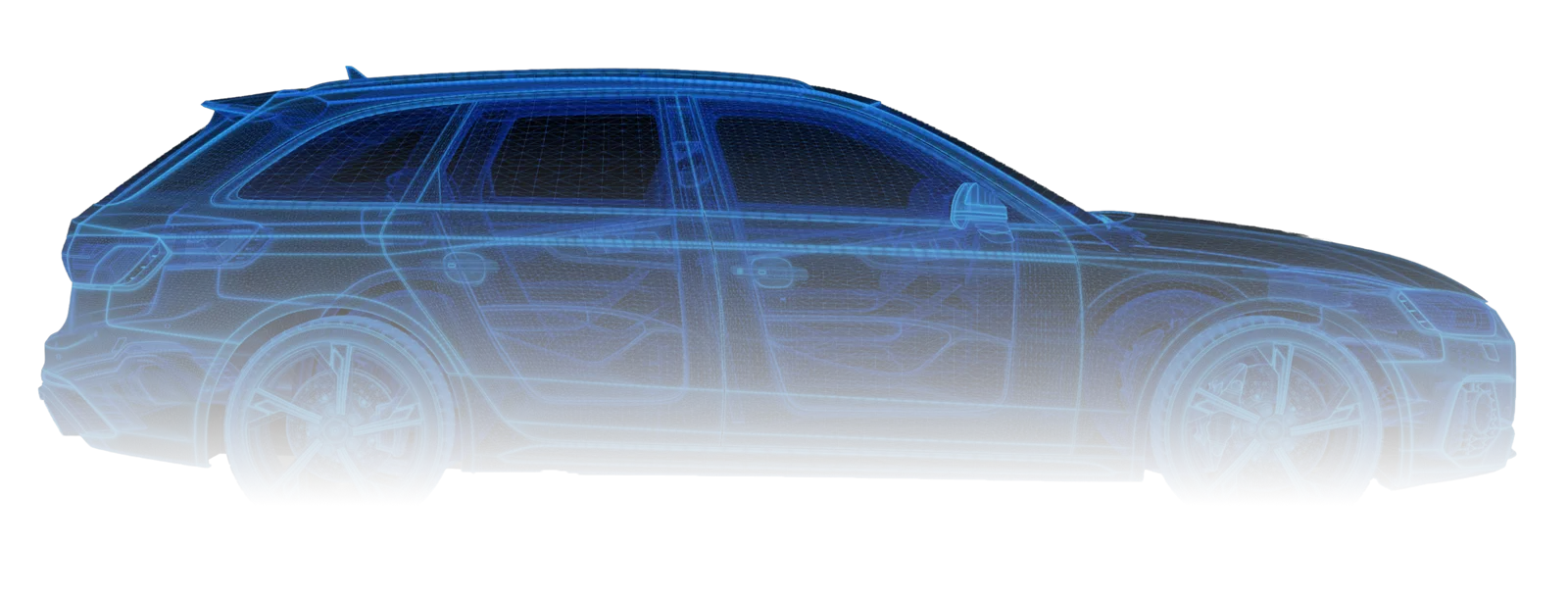
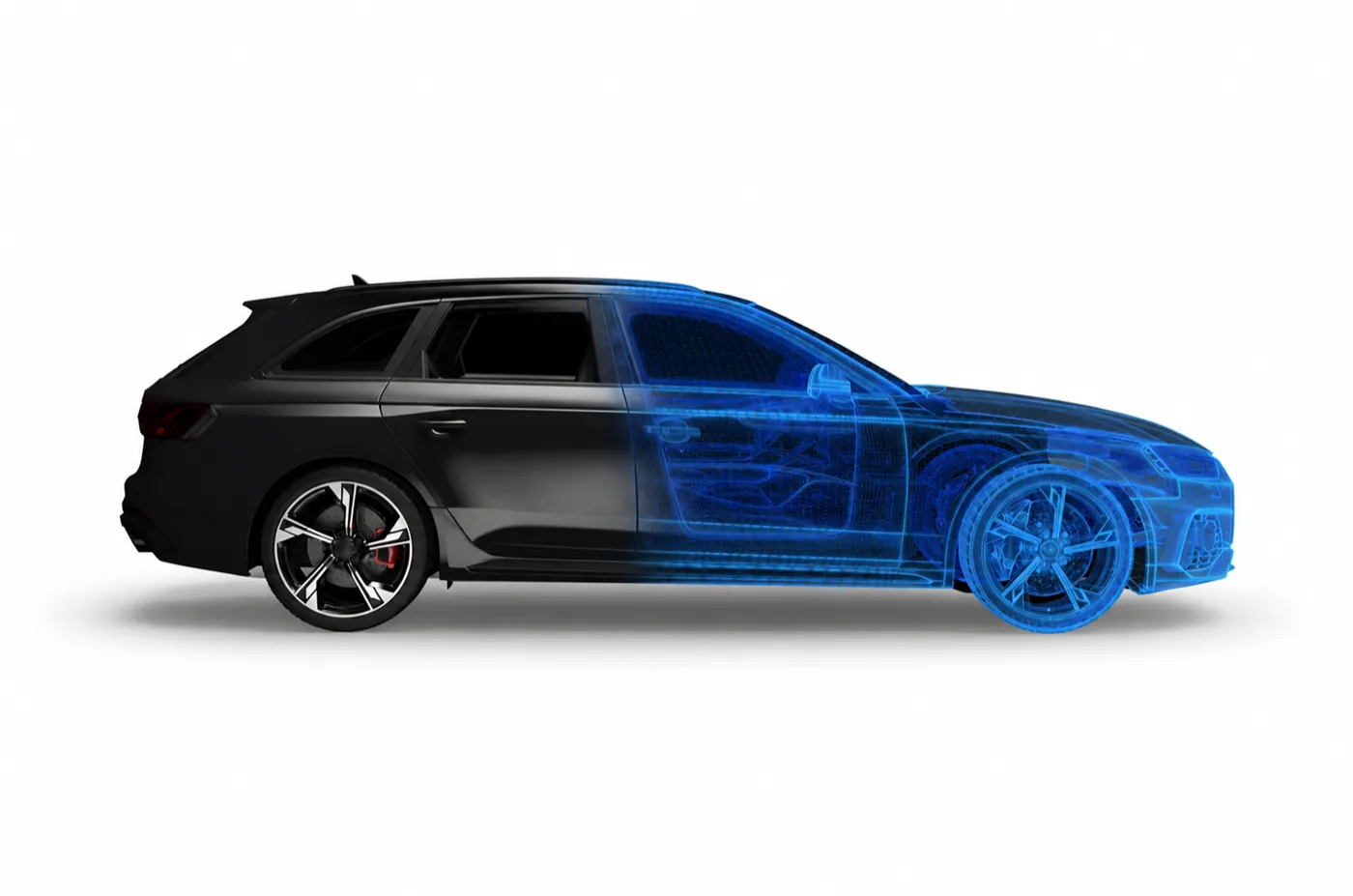
Generated illustration of one possible front-camera installation. Camera design and mounting vary by vehicle.
When owners contact us
Examples of the work owners ask about.
-
The windscreen has been replaced
Tell us whether the original camera was refitted and what checks the glass fitter completed. Include the invoice or calibration result if you have it.
-
A replacement camera is fitted
The unit may need setup as well as calibration. Say whether it is new or used, and what its installer has already done.
-
An earlier attempt did not solve it
Send the previous report and explain whether calibration failed, the warning stayed on or it returned later. Include any repairs carried out between visits.
Centre prices
Calibration, diagnostic scanning and replacement configuration are separate services. Existing repair and calibration reports help identify the work still needed.
Camera or windscreen supply, fitting and physical repairs are not included. The replacement-configuration rate applies to that specific operation, not a replacement-and-calibration package. Additional diagnosis, unsuccessful work and return visits may carry separate charges.
How the appointment works
- 1
Identify the work needed
Send the registration, glass and camera history and any previous findings. A known post-repair calibration is different from an unexplained warning.
- 2
Check the installation
The glass, camera mounting and relevant vehicle conditions must meet the manufacturer's requirements. Unfinished repairs or faults can prevent calibration.
- 3
Use the required method
The technician follows the required method: positioned targets, a prescribed driving procedure or both. The method depends on the vehicle, not personal preference.
- 4
Review the result
The completed procedure and any remaining faults determine the next step. Keep the findings with your glass or repair records.
Before you enquire
- Registration and warning: your car's registration, the exact message and when it first appeared. No warning? Explain the work that prompted the enquiry.
- Glass and camera work: what was replaced or refitted, whether the camera is original, new or used, and any setup already completed.
- Existing reports: clear photos of relevant glass, repair, diagnostic or calibration paperwork, especially after an unsuccessful attempt.
- Practical details: your location, unfinished repairs and any concerns about getting the car to a centre.
Unknown details are fine. There is no need to remove the camera cover or dismantle anything for a photo.
More about the service
The camera behind the windscreen supplies information used by functions such as lane assistance, sign recognition and collision-warning or braking assistance, depending on the vehicle. Calibration establishes the reference needed to interpret that view correctly.
It does not repair the camera or add features the car does not have. A dashboard function name is not enough to identify the faulty component: some systems combine camera and radar information.
Windscreen replacement, removal and refitting of a camera, or fitting another camera can trigger calibration requirements in the manufacturer's repair instructions. Refitting the original camera does not automatically remove that requirement.
A warning is not a prerequisite: required calibration can remain outstanding without a visible warning or stored code. Conversely, a battery change or wheel alignment does not mean every car needs camera calibration. The vehicle and exact work determine the requirement.
The calibration price is for the calibration operation, not supplying or fitting a windscreen or camera. A diagnostic scan reads stored fault information; extended investigation and physical repairs are different work.
Replacement configuration concerns setting up a compatible camera or module for the car. It does not include the replacement part, its physical installation or an automatic calibration bundle. The applicable setup operation depends on the vehicle and the work already completed.
Send the installer's findings with your enquiry. There is no need to choose between coding and calibration without knowing what remains.
The work already done affects what comes next. For example:
Original camera refitted after new glass: calibration may still be required. The glass invoice and any calibration result help explain what was completed.
Another camera installed: compatibility, installation and configuration matter as well as calibration. New and used parts can have different setup restrictions.
Vehicle preparation and the camera installation must meet the applicable procedure. The viewing area, mounting, glass specification and relevant faults can affect whether calibration proceeds. Tyre pressures, vehicle loading and wheel geometry requirements vary by procedure. Follow the preparation instructions for your appointment; leave mounting adjustments to a workshop.
A static procedure uses accurately positioned targets. A dynamic procedure uses a prescribed diagnostic-led drive. Some systems require both. A target board is therefore not a universal test of whether calibration took place, and a routine drive is not proof of calibration. Road and weather conditions can affect dynamic work. Driving until a warning disappears is not a substitute for calibration.
Completion relates to the procedure performed; it is not a whole-car safety inspection or a guarantee against every future warning.
Configuration makes a compatible replacement ready for its vehicle and application. Calibration establishes the reference for interpreting the camera's view. They are different operations, and the installer may already have completed one of them.
Neither can make damaged hardware, an incompatible module or an unsuitable installation correct. A camera being recognised by a diagnostic tool does not by itself establish that all setup is complete. Include any existing configuration or installation report in your enquiry.
Keep the previous result and note whether the procedure failed, the warning stayed on or it returned later. Include any glass, camera or other repair work performed between attempts. You do not need to diagnose the cause yourself.
A warning can involve the installation, hardware, wiring, configuration or another system. Its return is not proof that another calibration will solve it. The previous findings are useful evidence for further investigation, not a reason to clear the codes repeatedly.
Frequently asked questions
It can. The glass specification, camera mounting and viewing area must meet the vehicle's requirements. Incorrect installation or damage can prevent completion. Include the glass invoice and any findings from an earlier attempt; calibration cannot compensate for every fitting problem.
Only a compatible, correctly installed camera is a suitable starting point. Used units can have vehicle-specific configuration or access restrictions. Send any part and installation details with your registration; matching appearance alone is not proof that a camera will work.
No. This page concerns the camera looking through the windscreen. Parking-view cameras are different devices and may need different setup. For an overhead parking image, see surround-view camera calibration. Describe the affected view in your enquiry if you are unsure which camera is involved.
Get a quote for your car
Send your registration, what happened and any glass or camera work already done. Relevant report photos are welcome; missing details do not prevent an enquiry. Find a service centre near you.