Diagnostic scan. £54 including VAT.
A diagnostic scan reads fault information stored by your car. It can help establish what needs investigating when an ADAS warning appears, but reading codes is not the same as finding and fixing the cause.
- Centre price for an initial diagnostic pre-scan.
- Further testing, repairs and calibration are separate work.
- Already have a report? Include it with your enquiry.
What can a scan tell you?
Diagnostic equipment reads fault information from the vehicle systems it supports. This can help a technician decide where to investigate, alongside your account of the warning and recent work.
A code mentioning a sensor does not prove that sensor needs replacing. A clear scan does not prove all driver-assistance systems are correctly calibrated, either.
This is not a whole-car inspection or a safety certificate. Follow your handbook's warning instructions and seek advice from a qualified repairer if you are unsure whether to drive.
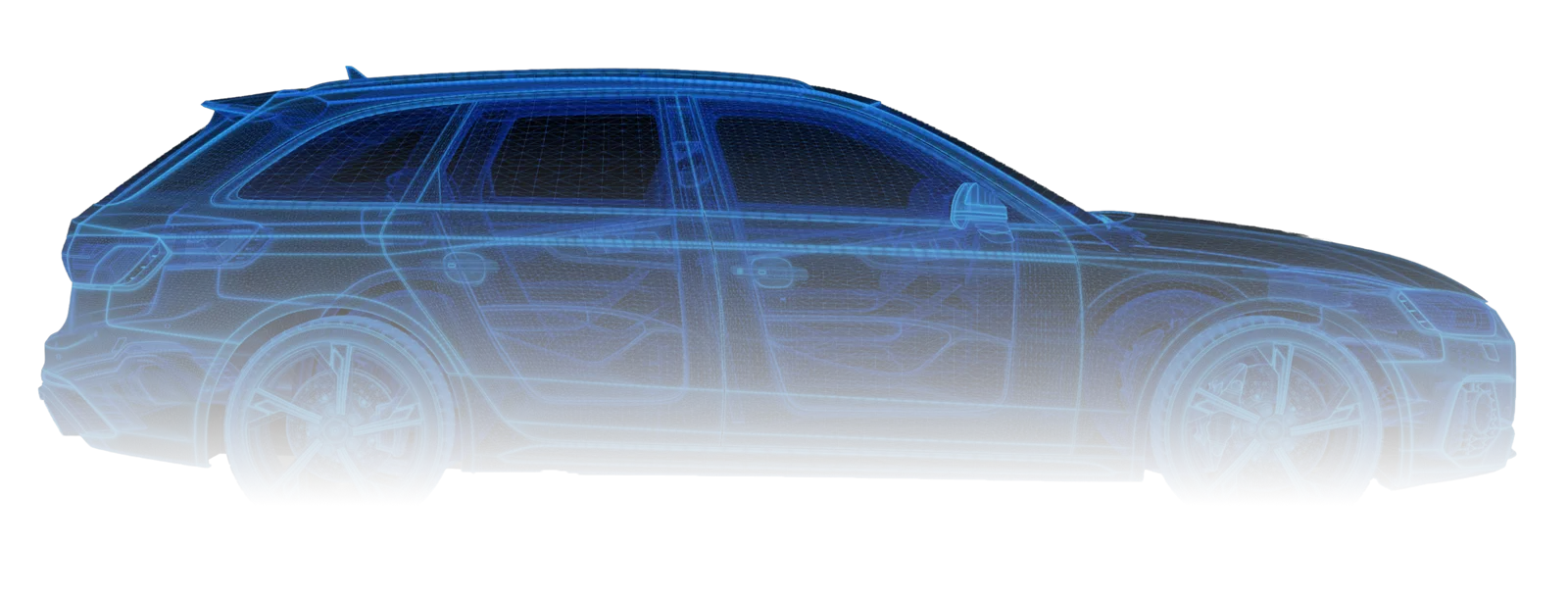
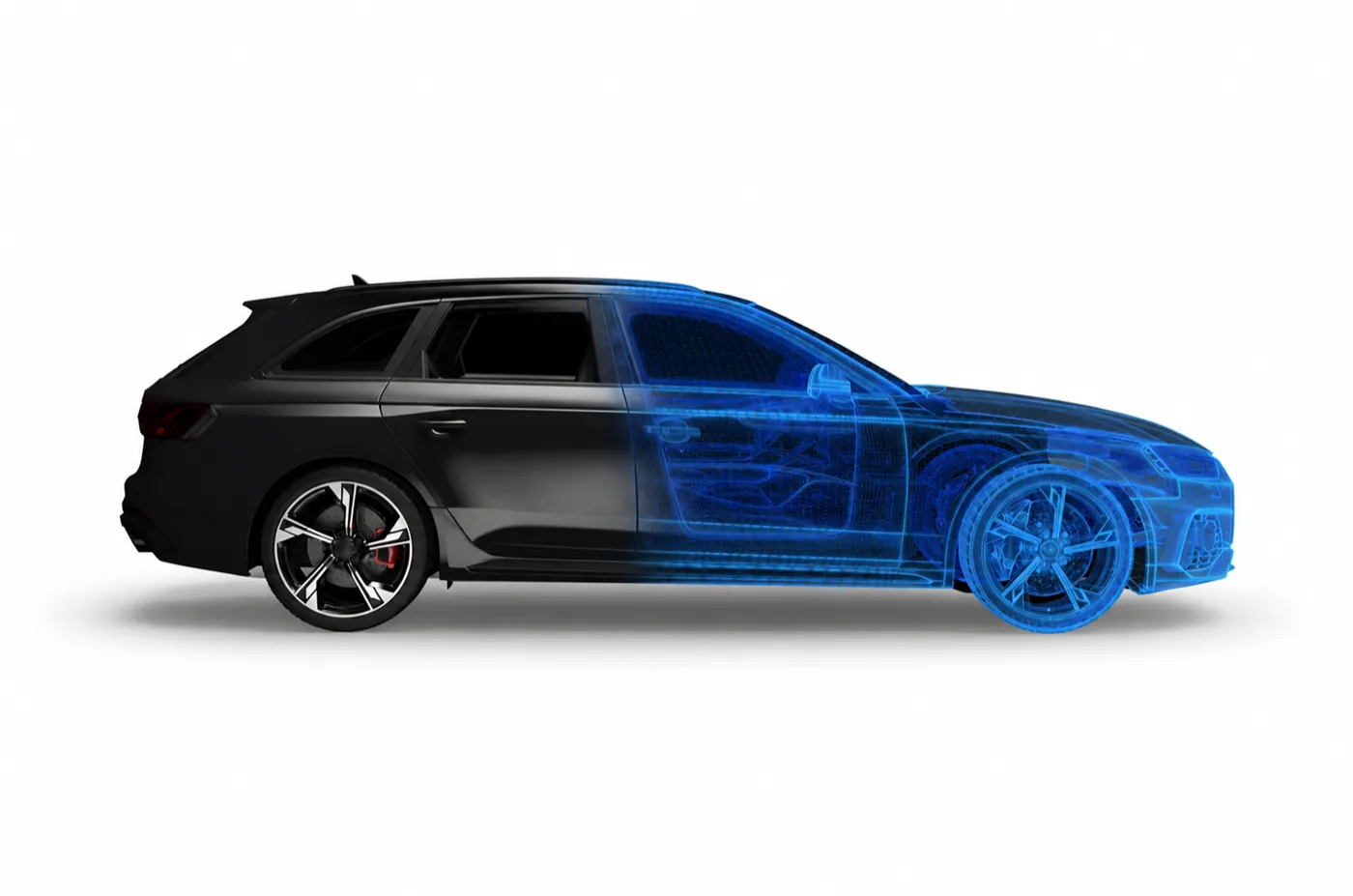
Generated illustration of diagnostic equipment connected to a car. Equipment and connection details vary by vehicle.
When owners contact us
You do not need to know which part is at fault before enquiring.
-
The warning keeps returning
Tell us when it appears and whether someone has already cleared the codes. Keep the earlier report; the sequence can help explain what needs checking.
-
The garage has found a code
A report is more useful than a code number alone. Include the garage's findings and any subsequent work; a sensor-related code does not automatically mean replacing that sensor.
-
A warning appeared after work
Explain what was repaired, replaced or disconnected before the warning started. Include any checks already completed, even if the latest scan showed no faults.
Centre scan price
A diagnostic pre-scan reads fault information before further work. It provides a starting point for investigation, not an all-inclusive fault-finding or repair package.
Further investigation, repairs, replacement setup and calibration are separate work. A later post-scan is not included automatically. Additional work or an unsuccessful appointment may carry separate charges.
How the booking works
- 1
Send the history
Send the warning, when it happens, recent work and any earlier report. Existing findings can change what needs investigating.
- 2
Agree the initial check
The initial scan reads fault information from supported systems. A known calibration task and an unexplained warning require different work.
- 3
Read the fault information
Diagnostic equipment retrieves the available codes and related information. The symptoms and repair history help the technician interpret them.
- 4
Decide the next step
The findings guide any further testing or repair. Further work is quoted separately; having a scan does not commit you to buying a repair.
Before you enquire
- Registration and warning: the exact dashboard message, whether it stays on or comes and goes, and when you first noticed it.
- Recent events: repairs, replaced parts, a flat battery or jump start, and whether anyone has cleared the codes.
- Previous findings: relevant pages from the complete scan or repair report, including the system names and code descriptions where available.
- Practical details: your location and any concerns about driving the car to an appointment.
Missing details are fine. Do not clear codes just to prepare for the visit, dismantle anything or try to trigger a warning while driving.
More about the service
Electronic control units manage the car's systems. When a unit detects certain problems, it can store a diagnostic trouble code, often shortened to DTC. Suitable equipment reads information from the units it can communicate with.
Depending on the vehicle and tool, results may include code descriptions, status and information recorded when a fault occurred. This is not a complete history of the car. Terms such as current, stored and history vary between reports, which is why the complete report is more useful than a code number alone.
A code identifies what a control unit detected, not necessarily why it happened. A sensor-related code may lead to checks of the sensor, wiring, connections or installation; it is not an instruction to buy a new sensor. Replacing a part without establishing the cause can leave the original warning unresolved.
Finding the cause can require measurements, physical inspection or further testing beyond the scan. A useful scan result may therefore be a clearer next step rather than a repaired car. Existing findings from another garage help avoid starting with an incomplete history.
A pre-scan reads diagnostic information before relevant work; a post-scan checks it afterwards. These names describe stages, not an automatic two-scan package.
Calibration establishes a camera or radar system's required reference. It is different from reading or clearing codes, and repair instructions can require it without a warning or stored fault.
If a repairer has already identified the task, front-camera calibration or front-radar calibration may be the relevant service. Include its findings rather than assuming another initial scan is always needed.
Clearing a code can remove stored information without fixing the condition that caused it. The warning may return when the car detects the problem again.
Keep the earlier report and note whether the warning returned immediately, during a later journey or after more work. Repeated clearing can erase useful fault information. A warning going out is not, by itself, proof of a completed repair or calibration.
No. Coverage depends on the vehicle, diagnostic equipment, software and available access. An emissions-only OBD check is not the same as reading manufacturer-specific driver-assistance systems, although some consumer tools have wider coverage.
Protected functions on some vehicles require authorised access. If another garage reported an access or communication problem, include that finding with your enquiry. Results from equipment that could not reach a system do not establish that the system is fault-free.
An intermittent problem may not be present during the visit, and not every problem generates a readable code. A clear result does not invalidate the symptoms or prove that every assistance system is correctly calibrated.
The timing, exact warning and repair history remain useful. Further investigation or a different procedure may be needed. If the equipment cannot communicate with a system, possible power, connection or access issues need distinguishing from a successful check with no recorded faults.
Keep diagnostic findings with the repair and calibration records. The system names, code descriptions and any systems that could not be read help a later repairer understand what was established.
A scan can inform the next step without committing you to a repair. It is not a comprehensive vehicle inspection, proof of roadworthiness or an automatic substitute for an independent assessment in a purchase, insurance or complaint matter.
Frequently asked questions
Not always. An existing report and the garage's findings may already identify a calibration task or the next investigation. Send the report and describe any work since it was produced. A fresh scan can still be necessary when the condition has changed or more information is needed.
No. Your registration, the exact warning and a short account of when it happens are a useful starting point. Tell us about recent work and any previous checks. You do not need to buy a reader or identify the faulty component yourself.
It may or may not be. A battery event can affect the information the car records, but it does not establish the cause of every later warning. Tell us when the battery problem happened, whether it was replaced or charged, and what warnings remain. A reset or calibration should not be assumed to be the answer.
A remote enquiry or a list of codes cannot establish that it is safe to drive. Follow the warning instructions in your handbook and get advice from a qualified repairer if you are unsure. Explain any driving concerns before arranging the appointment or transport.
It is a centre pre-scan price. Further testing, parts, repairs, calibration and replacement setup are different work, not an unlimited repair package. You can enquire with the warning and repair history even without a fault code.
Tell us what the car is doing
Send your registration, the warning and any earlier findings. You do not need a fault code or a diagnosis to request a quote. Find a service centre near you.