Reversing camera calibration. £206.40 including VAT.
Reversing camera calibration sets the camera's reference to your vehicle where its system requires it. It may be needed after camera replacement or relevant repairs. A blank picture or missing guidelines can have other causes.
- Centre price for the rear-camera calibration procedure.
- Vehicle-specific work, not a universal camera reset.
- Diagnosis, parts, repairs and replacement configuration are separate.
A rear view, not a diagnosis
The reversing camera sends a picture of the area behind your car to the dashboard screen. On systems that require calibration, the procedure establishes the camera's alignment reference. It is not simply adjusting the screen brightness or clearing a warning.
Not every rear camera needs a separate aiming procedure. The vehicle, camera system and repair determine what is required. A missing picture needs investigation before assuming calibration will restore it.
Do not rely on an affected image or its guidelines when reversing. Check your surroundings directly and follow your handbook.
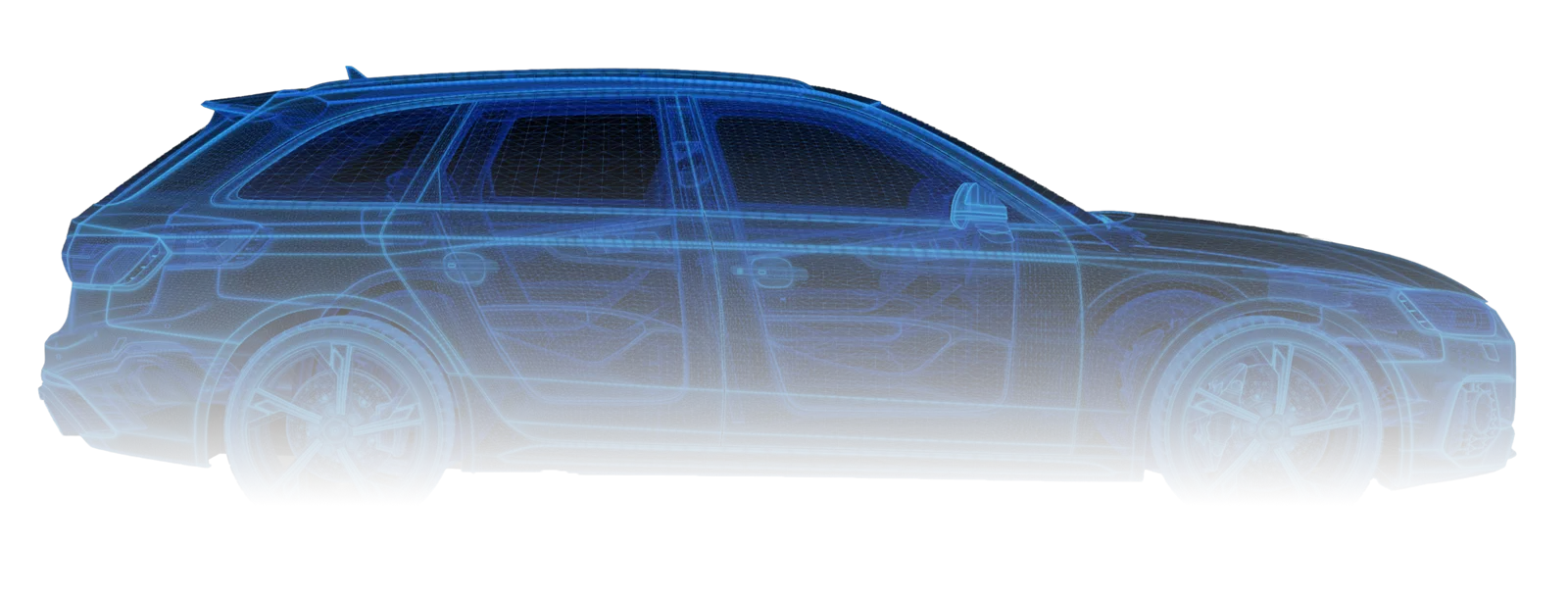
Generated illustration of a reversing camera above the number plate. Camera positions vary by vehicle.
What has changed with your rear camera?
The change you noticed and the work done beforehand help identify the next step.
-
A replacement camera does not work
A new or used camera may need configuration as well as calibration. A connector that fits does not prove compatibility. Include the replacement details you already have.
-
The picture works but the lines do not
Missing, fixed or misplaced guidelines are different concerns. Describe what the lines used to do and whether the change followed repairs, a replacement or battery work.
-
The view changed after rear repairs
Work to the camera, tailgate, handle or mounting can affect the view. Tell us what was removed or replaced and whether the picture is tilted, missing or otherwise different.
Centre calibration price
The listed service is the reversing-camera calibration or basic-setting procedure. Replacing the camera and configuring a replacement are different jobs.
This price is for calibration, not a camera replacement or fault-finding package. Diagnosis, parts, repairs and replacement configuration are separate. The quote will identify the work required; unsuccessful work or a return visit may carry charges.
From enquiry to appointment
- 1
Describe the fault
Send your registration, recent work and what appears on the screen. A photo taken while safely parked can explain more than a fault-code number alone.
- 2
Identify the required work
The camera system and repair history determine whether calibration, replacement setup or investigation comes first. Installation and mounting faults must be addressed.
- 3
Carry out the specified procedure
Where calibration is required, the technician follows the vehicle-specific basic-setting or aiming procedure, using the prescribed equipment and preparation.
- 4
Check the result
The procedure result, camera image and any remaining faults guide the next step. Keep the findings with the records for the original repair.
What to send with your enquiry
- Your registration and location: include whether the camera is factory-fitted or an aftermarket installation.
- The screen behaviour: no image, a warning, missing guidelines or a changed view; a photo while safely parked is useful.
- Recent work: camera, tailgate or rear-body repairs; say whether a replacement camera is new or used and what setup has already been attempted.
- Existing findings: relevant scan or repair-report pages and any part details supplied by your garage.
Unknown details are okay. You do not need to remove trim, disconnect the battery or clear fault codes before enquiring.
More about reversing-camera calibration
Where the system supports it, calibration establishes the camera's geometric reference to the vehicle. A manufacturer procedure may use a measured target and diagnostic equipment to store the required reference values. The exact method depends on the camera system.
This is different from configuring a replacement module, repairing its mounting or changing screen settings. Some rear-view systems do not have a separate aiming procedure, so there is no single reset or calibration method for every car.
It can. A replacement may need the correct configuration or software setup before calibration can be completed. Calibration and replacement setup should not be treated as interchangeable names for the same task.
Compatibility matters with new parts, used parts and retrofits. A camera that looks identical or plugs into the same connector may not be suitable for that vehicle and screen. Share any part number or installation report you already have; there is no need to dismantle the car to find one.
Not by itself if the cause is failed hardware, damaged wiring or another fault preventing the image from reaching the screen. A missing image after replacement can also involve compatibility or incomplete setup.
A diagnostic scan can provide fault information, but further checks may be needed to find the cause. Tell us whether the screen changes when reverse is selected, whether an error appears and whether any other camera views still work. Those details help distinguish a camera problem from a wider display or system problem.
Guidelines can be fixed reference lines or a predicted path that moves with steering input. Some systems hide particular lines in certain modes, so a missing line alone does not establish a calibration fault. A change from the camera's previous behaviour is more useful information.
Depending on the vehicle, the cause can involve display settings, steering information, software or camera setup. For example, a manufacturer bulletin for certain Cadillac XT5s addresses intermittent missing lines with a software update, not camera aiming. That example does not diagnose other vehicles.
Do not test line accuracy by reversing towards an obstacle. Describe the behaviour and any preceding work instead.
Not necessarily. A rear camera can provide a reversing picture on its own or supply one of several images used to form an overhead view. If your display normally offers front, side or bird's-eye views, the relevant work may be surround-view camera calibration.
Round parking sensors in the bumper are also different from a camera lens. Lost parking beeps, a blank picture and a missing overhead view should not all be described as the same calibration fault.
A wide-angle reversing-camera image is not a direct measurement of the space behind the car. Slopes, loading, the camera's field of view and objects outside it can affect what you see and how the guidelines relate to the surroundings.
Correct calibration does not remove those limitations or make every obstacle visible. A new tilted or displaced view after repairs deserves investigation, but the screen should never replace direct observation and the instructions in your vehicle's handbook.
Frequently asked questions
A visible picture does not establish that all required setup has been completed. The manufacturer's repair procedure determines whether that camera needs configuration, aiming or other checks after replacement. Keep the installation report and include any work already recorded in your enquiry.
An aftermarket camera or screen may use different connections, settings and adjustment methods from the factory system. Suitability depends on the equipment fitted. Include the kit or screen make and installation details in your enquiry; this calibration price is not a retrofit or installation package.
Blur alone is not evidence that calibration is needed. Dirt, water, lighting conditions or a damaged lens can affect the picture. Follow the handbook's lens-cleaning guidance without moving the camera or using a pressure washer on it. Persistent blur or moisture inside the lens needs inspection.
A battery disconnect is not a substitute for finding the fault or carrying out a required calibration. It can also affect other vehicle settings. If the problem started after battery work, describe that sequence and any other warnings rather than repeatedly resetting the system.
No. Your registration, the screen behaviour and recent repair history are enough to start the enquiry. Send a scan report if you already have one, but do not pay for a code read solely to fill in the form. A code is a clue for investigation, not a confirmed diagnosis on its own.
Tell us what your reversing camera is doing
Send your registration, what appears on the screen and any recent repairs. You do not need to choose between coding and calibration before contacting us. Find a service centre near you.