Front radar calibration. £162 including VAT.
Front radar calibration sets the sensor's aim to your car's required settings. It may be needed after a repair or replacement, or when testing identifies an alignment fault.
- Centre calibration price; diagnosis, coding and repairs are separate.
- For radar alignment after relevant repairs or an identified calibration fault.
- Enquire with the warning or repair history, even without a fault code.
Will calibration fix the warning?
That depends on the cause. Calibration can correct the radar's aim, but it cannot repair a damaged sensor, straighten a bent bracket or make an unsuitable replacement unit work.
A warning such as "Front Assist unavailable" describes a problem with the system, not necessarily the radar. Diagnosis or repairs may be needed first.
Follow the warning instructions in your handbook. Get professional advice if you are unsure about driving; do not adjust the sensor or test emergency braking yourself.
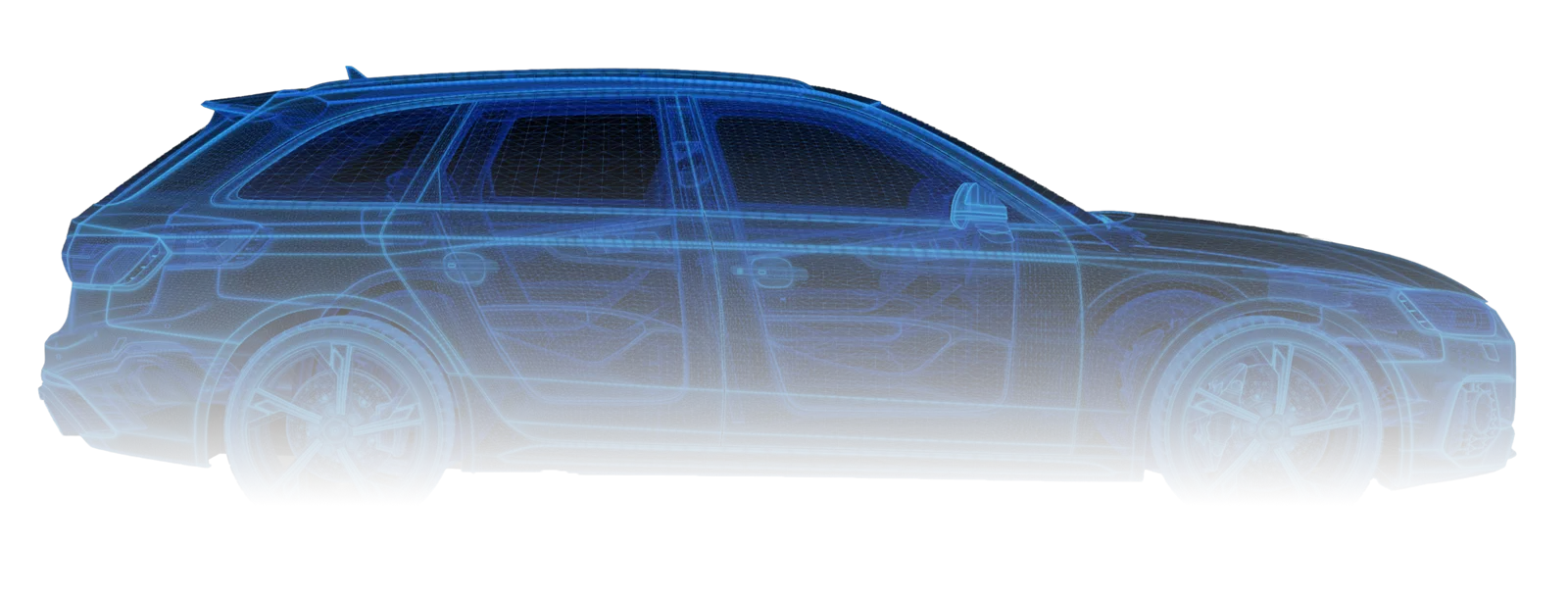
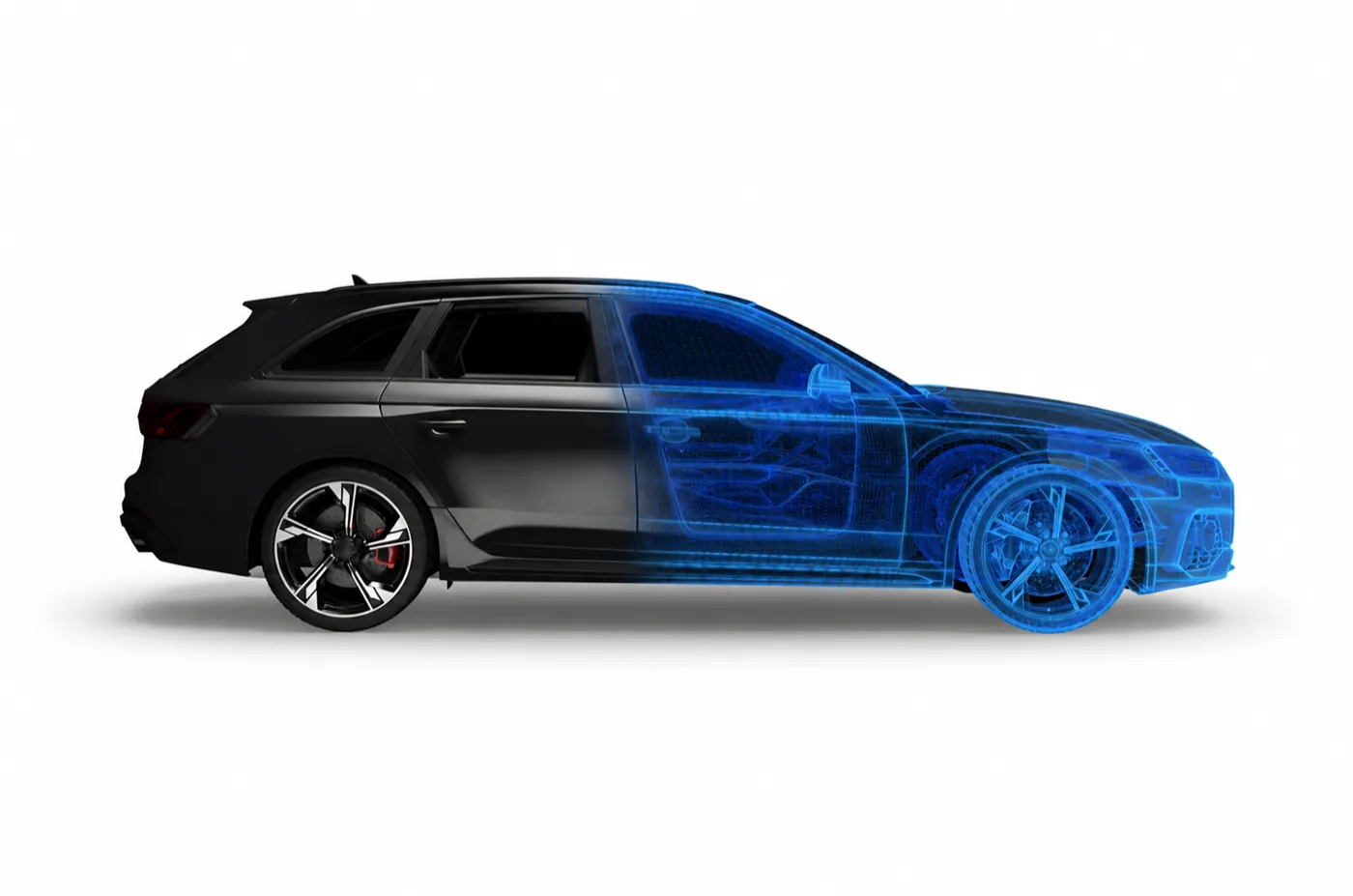
Generated illustration showing one possible front-radar location. Sensor design, position and mounting vary by vehicle.
When owners contact us
Illustrative examples, based on questions owners send us.
-
After bumper work or sensor refitting
The warning appeared after a repair. Tell us what was removed or refitted and whether the garage found any damage to the sensor or its mounting.
-
A replacement radar has been fitted
The next step depends on the unit and the work already done. Include whether it is new or used, and whether the installer completed its coding.
-
The warning has come back
Share the previous report and when the warning returned. The cause needs checking before deciding whether another calibration is the right job.
Centre prices
Calibration, diagnostic scanning and replacement setup are different jobs. The prices below are individual services, not a package.
Sensor supply, fitting and physical repairs are not included. Additional diagnosis, unsuccessful work and return visits may carry separate charges.
How the appointment works
- 1
Confirm the job
Send the warning, repair history and any existing report. You do not need to identify the faulty part or choose a technical procedure.
- 2
Check the car is ready
Damaged mounts, unfinished repairs or electrical faults can prevent calibration. The vehicle must meet the preparation requirements for its specific procedure.
- 3
Follow the calibration procedure
The technician uses the vehicle-specific aiming or learning procedure. Some systems need targets, some a prescribed calibration drive, and some both.
- 4
Check the result
The calibration result and any remaining faults determine the next step. Keep the findings with your repair records, particularly after an earlier unsuccessful attempt.
Before you enquire
- Registration and warning: the exact dashboard message, plus a photo if you have one.
- Repair history: what was repaired, removed or replaced, including whether a replacement radar is new or used and already coded.
- Reports: clear photos of relevant repair or diagnostic findings, including any previous calibration attempt.
- Practical details: your location, unfinished repairs and any concerns about getting the car to a centre.
It is fine if you do not know every detail. Leave dismantling and sensor adjustment to a workshop.
More about the service
Calibration sets the radar's aim to the vehicle's required reference. It does not supply or fit a replacement sensor or repair a bent bracket, wiring or bodywork.
A diagnostic scan reads stored fault information. Finding the cause can require further tests. Replacement configuration sets up a compatible module for the car; it is different from aiming it.
The price table separates these operations. A replacement does not automatically mean all three need doing again: the installer may already have completed some of the work. Include its findings with your enquiry so the quote concerns the work that remains.
Radar uses reflected radio signals to help measure distance and movement. Depending on the car, its information supports adaptive cruise control, collision warnings and emergency-braking assistance.
It is different from a windscreen camera, parking sensor or rear-corner radar, although assistance systems can combine information from several sensors. Front radar is often behind the grille or bumper; some vehicles have a combined camera/radar unit at the windscreen.
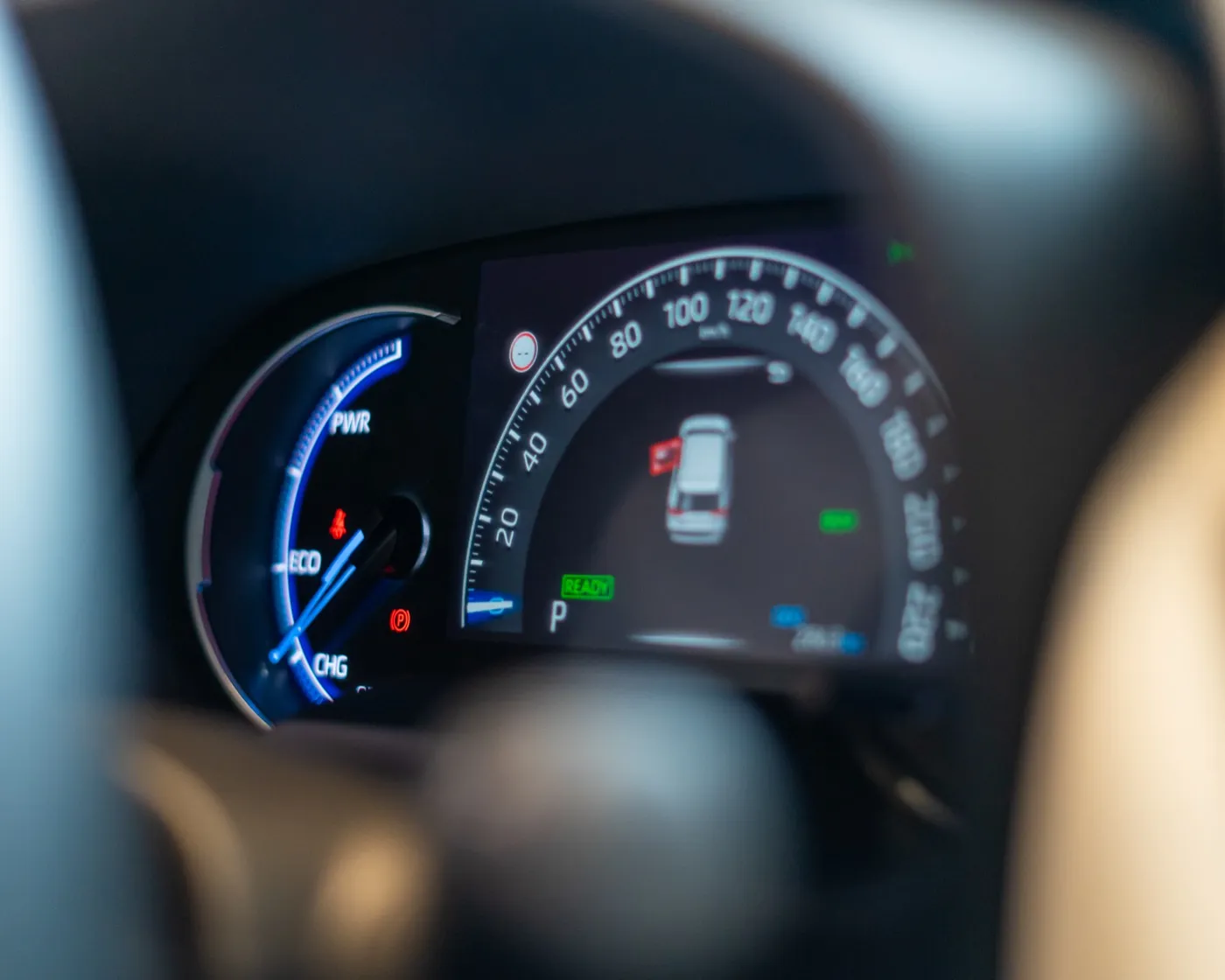
Messages such as Front Assist unavailable or ACC deactivated identify an affected function, not necessarily a faulty radar.
Calibration can be required after removal, refitting or replacement of radar-related parts, relevant front-end repairs or certain wheel-alignment work. The manufacturer's repair instructions determine the requirement for the particular vehicle.
It may also be appropriate when investigation identifies an alignment fault. A warning alone does not establish that fault, and a clear dashboard after a repair does not prove every required operation is complete.
Dirt, weather or an obstruction can interrupt some systems. Follow the cleaning instructions in your handbook; persistent warnings or damaged mountings need professional assessment.
The work already done affects what comes next. For example:
After bumper work: the original radar may have been removed and refitted. The relevant repair instructions, mounting condition and work performed matter more than whether a new sensor was fitted.
After replacement: a new or used radar may need configuration as well as calibration. A matching appearance or a recognised module does not establish compatibility or completed setup.
After unrelated access work: refitting the same sensor can still require calibration. Refitting is not the same job as configuring a replacement.
After an earlier calibration: a returning warning needs investigation in the context of the previous result and any later repairs. Repeating calibration is not a guaranteed remedy.
The procedure starts from the vehicle and the agreed work, not a universal reset routine. Relevant installation faults or damage need resolving before aiming. Preparation can involve tyre pressures, vehicle loading or wheel geometry where the manufacturer specifies them. Follow the preparation instructions for the booked work.
Static calibration uses accurately positioned targets or reflectors. Dynamic calibration uses a prescribed diagnostic-led driving procedure. Some vehicles require both, and road or weather conditions can affect dynamic work.
A drive may be part of calibration rather than an optional final check. Simply driving until a warning disappears is not the same operation.
Keep the previous calibration and repair records. Note when the warning reappeared, whether it is intermittent and whether any work took place in between. A photo taken while safely parked can preserve the exact message.
A returning warning does not establish that the radar has lost alignment again. Installation, compatibility, electrical or other faults may need investigating before another calibration is appropriate. Send the earlier findings with your enquiry rather than repeatedly clearing the codes.
Calibration establishes the radar's reference to the car so its measurements can be interpreted correctly. Depending on the design, this can involve physical adjustment, electronic learning or both.
Coding or configuration sets up a replacement unit for the vehicle. Clearing a code removes a stored fault entry; it does not perform either job or explain the cause.
A compatible part, correct installation, required configuration and calibration are distinct requirements. Calibrated assistance still has normal detection limits and does not replace the driver's responsibility.
Frequently asked questions
A used radar must be compatible with the vehicle, undamaged and correctly installed. Calibration cannot make an unsuitable unit work. Send the registration and any part or installation details before buying a replacement; a unit that plugs in or looks identical may still have different setup requirements.
Not always. The requirement depends on the vehicle's procedure and the work carried out. Tell us what was adjusted or repaired, and include any recommendation from the repairer.
Not necessarily. Low voltage can leave fault codes, but a warning after battery trouble does not prove that the radar has lost its alignment. The sequence of events and any diagnostic findings help determine the next step.
A damaged mount, unresolved electrical fault, incompatible part or unsuitable vehicle preparation can prevent completion. Some dynamic procedures also need suitable road and weather conditions. The reason for failure matters: repeating the same procedure will not repair the underlying problem.
The displayed prices are for centre appointments. Use the service-centre finder when planning your enquiry. Mobile ADAS calibration is a separate option for suitable trade premises; mobile attendance is not the same thing as a dynamic calibration method.
Not necessarily. A garage may refer calibration elsewhere. Get a note of what it repaired, what remains and any diagnostic findings. That helps the next technician understand the job and whether the car is ready for calibration.
Get a quote for your car
Tell us your registration, the warning and any recent repairs. Add photos of relevant report pages if you have them. You do not need to diagnose the fault before enquiring.