Parking sensor calibration. £184.80 including VAT.
Parking sensor calibration carries out the parking-distance-control setup required by your vehicle. It may be needed after relevant repairs or replacement. Persistent beeping or a parking-aid warning can also need fault-finding first.
- Centre price for parking-distance-control basic settings.
- The procedure depends on your vehicle and the work carried out.
- Diagnosis, replacement parts, repairs and coding are separate.
The small sensors in your bumper
Many parking systems use round ultrasonic sensors in the bumpers. They send out sound pulses and measure returning echoes to detect nearby objects. These are different from a camera lens or the radar used for adaptive cruise control.
Calibration or basic settings establish the references a particular parking system needs. They cannot repair a damaged sensor, loose mounting or broken wire. A fault after bumper work needs the installation checked, not an assumed reset.
Do not rely on faulty parking warnings. Check your surroundings directly and follow your handbook; even a working system cannot detect every obstacle.
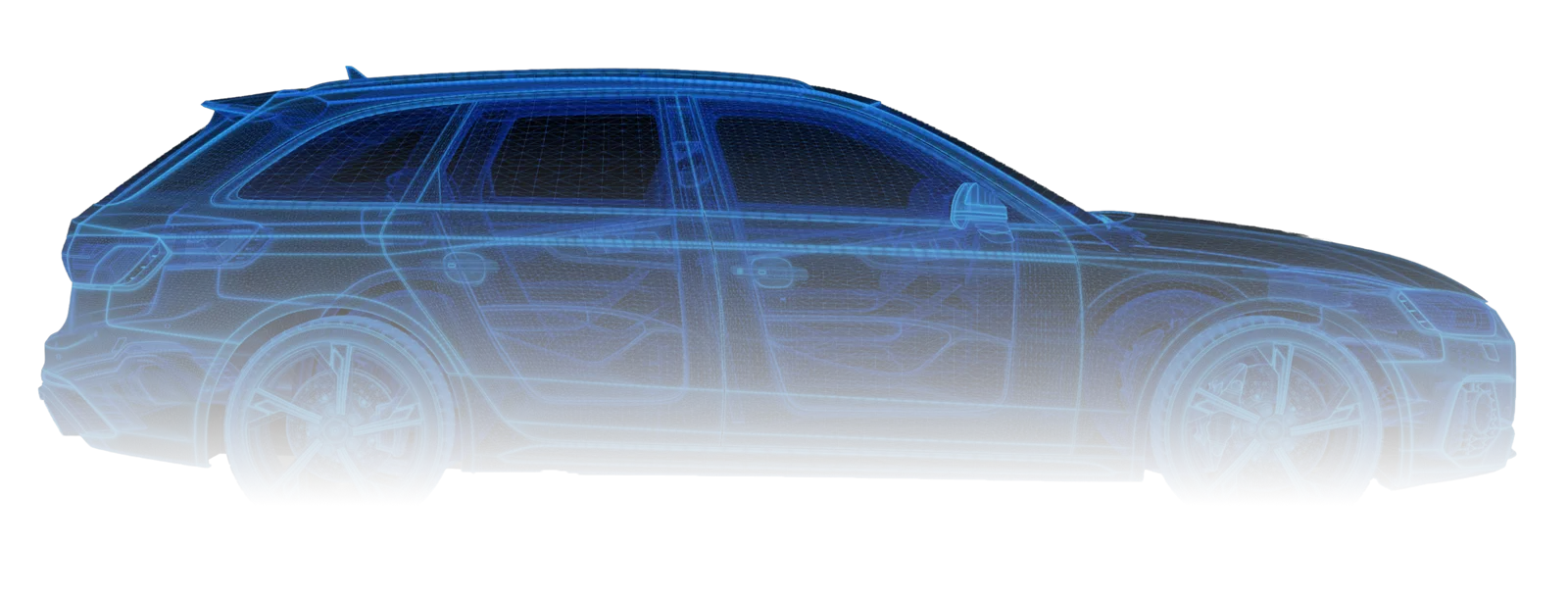
Generated illustration of a bumper-mounted parking sensor. Design and position vary by vehicle.
What happened before the warning?
These situations need different checks. You do not need to identify the faulty part before enquiring.
-
The bumper has been repaired
Warnings after a bumper change can involve sensor fit, holders, wiring or required setup. Mention whether the original sensors were transferred and whether the bumper was painted.
-
A sensor or module was replaced
A replacement sensor and the control module are different parts. Compatibility, installation and any required setup matter; replacing a part does not by itself complete the repair.
-
The beeps or distance warnings seem wrong
Constant warnings, silence or intermittent faults do not identify one cause. Note whether the problem affects the front, rear or both, and whether weather or accessories make a difference.
Centre calibration price
The listed service is parking-distance-control basic settings where required by the vehicle. It is not an all-inclusive parking-sensor repair.
Diagnosis, parts, bumper or wiring repairs and replacement-module coding are separate. The quote will identify the work required. Unsuccessful work or a return visit may carry charges.
From enquiry to appointment
- 1
Describe the behaviour
Send your registration, the warning and recent repair history. Explain whether the issue is beeping, a distance display, a camera picture or several functions.
- 2
Establish what needs attention
Vehicle-specific checks distinguish an installation or component fault from required setup. A scan may help, but the findings determine any further investigation.
- 3
Complete the required setup
Where basic settings are needed, the technician follows the manufacturer's procedure. Damaged or incorrectly fitted parts need attention before setup can give a useful result.
- 4
Check system operation
Required function checks and fault information establish the result. Keep the work record with your repair paperwork, including any fault that still needs attention.
What to send with your enquiry
- Your registration and location: mention a retrofit system or accessories around the bumper, such as a towbar or bike rack.
- What the system does: the exact warning, which end of the car is affected, and whether the problem is constant or intermittent.
- Recent work: bumper repairs, painting, sensor or module replacement; say whether parts were new, used or simply refitted.
- Existing findings: scan or repair reports, part details and a clear photo taken while safely parked, if available.
Unknown details are okay. You do not need to remove the bumper or clear fault codes before contacting us.
More about parking-sensor setup
They perform the setup or reference-learning operation specified for that vehicle's parking system. The required work depends on its equipment and the repair; not every ultrasonic sensor has a separate aiming procedure.
An operation check, clearing fault codes, updating software and configuring a replacement control module are not interchangeable with calibration. There is no universal parking-sensor reset that completes all of those jobs. The manufacturer's procedure determines which are needed.
A sensor depends on its position and secure mounting, not just an electrical connection. Transferring the original sensors to another bumper does not prove that the holders, openings or wiring are correct.
A loose, tilted or incorrectly seated sensor can produce misleading warnings. Manufacturer guidance also identifies connector and harness problems as possible causes after repairs. Calibration cannot compensate for a damaged holder or make an unsuitable bumper fit correctly. Include what was changed, even if the sensors worked before they were unplugged.
Yes. The sensor face and surrounding mounting need to meet the vehicle maker's requirements. Paint, coatings or a wrap over a sensor can interfere with its operation; refinishing is not simply a cosmetic decision.
For example, Ford's 2026 repair guidance gives specific paint requirements for parking sensors and prohibits repainting an already painted sensor in the procedure shown. That is not a universal paint specification for other vehicles. Tell us if the problem followed painting or wrapping, and do not sand, repaint or cover the sensors as a home fix.
Only if the underlying problem is one that the specified setup addresses. Obstruction, a damaged sensor, incorrect installation, wiring or a system fault can require a different repair. A warning alone cannot distinguish them.
A diagnostic scan reads fault information; it does not automatically establish the cause or repair it. Inspection and further tests may be needed. A report showing no stored codes also does not replace the required operation checks after repairs.
No. Parking-distance sensors, front radar and cameras do different jobs, even when warnings appear together. A working parking beep does not prove that adaptive cruise control is working, and a radar warning does not prove a parking sensor is faulty.
If the problem is a missing picture, see reversing-camera calibration or surround-view camera calibration. Automatic parking can use several systems, so this basic-setting service is not a promise to restore every parking function or calibrate the whole car.
Frequently asked questions
No. The listed price is for parking-distance-control basic settings, not new sensors or bumper repairs. Front and rear equipment varies by vehicle; describe which warnings or sensors are affected so the quote can identify the required work. Camera and radar work are separate services.
Water, ice, dirt and some surrounding noise sources can interfere with ultrasonic detection. That can cause false warnings or reduced performance without proving a calibration fault. Note the conditions when it happens. A recurring fault after the sensors are clean and unobstructed still needs investigation.
You can follow the cleaning instructions in your vehicle handbook to remove visible dirt or snow. Avoid sharp tools and do not push, rotate or dismantle a sensor. If it is visibly damaged, loose or pushed into the bumper, leave it for inspection. Do not test it by driving towards a person or obstacle.
The part must be suitable for the vehicle and parking system. A matching shape or connector is not enough to establish compatibility. An aftermarket kit may use its own controller and setup method. Include any part or kit details you already have; the listed price is not a retrofit or installation package.
No. Start with your registration, the warning or behaviour and any recent work. Send a scan report if you already have one, but you do not need to buy a code reader or choose between diagnosis and calibration to complete the enquiry.
Tell us what your parking sensors are doing
Send your registration, the warning and any recent bumper or sensor work. We can start with what you know, without asking you to diagnose the fault. Find a service centre near you.