Front camera coding after replacement. £229.20 including VAT.
A replacement windscreen camera may need coding or registration to work with your car's driver assistance systems. This sets up the replacement electronics; calibration is a different job. What remains to be done depends on the camera and the installation record.
- Centre price for setup after front-camera replacement.
- The camera itself and fitting are not included.
- Calibration, diagnosis and repairs are separate work.
A new camera can still need setting up
This service concerns the forward-facing driver assistance camera, commonly mounted near the rear-view mirror. It is not a dashcam or the front parking camera that supplies a picture to your dashboard screen.
A fitted replacement may need configuration for the car and its equipment, followed by the required calibration. Coding cannot repair a faulty camera, damaged mounting or unsuitable windscreen. A cleared warning alone does not prove the work is complete.
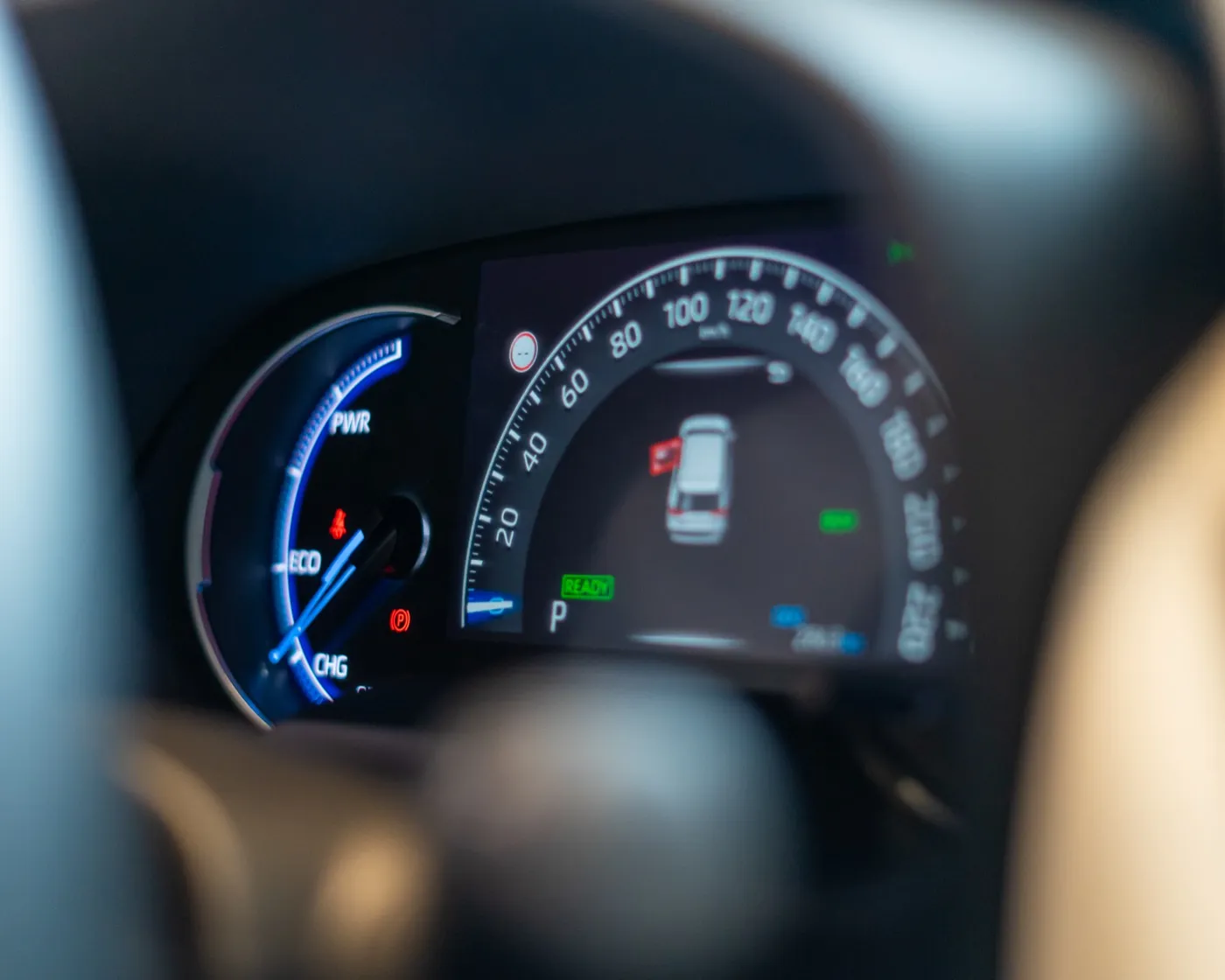
Do not rely on affected assistance functions while a fault remains. Follow your handbook's warning guidance.
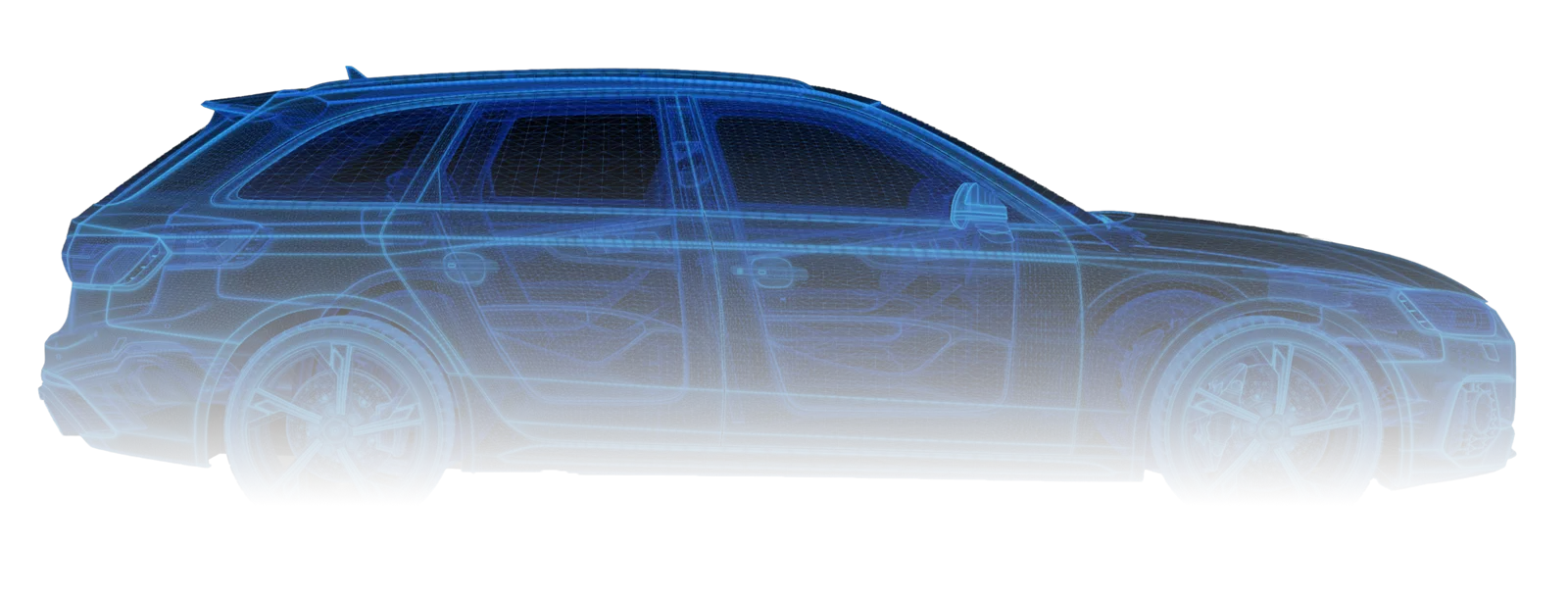
Generated illustration of a replacement windscreen camera module. Design and connections vary by vehicle.
What has changed on your car?
These situations need different work, even when the dashboard messages look similar.
-
A replacement camera is fitted
A new or used camera may need configuration before calibration can finish. Include the fitting record and any scan findings; a warning does not identify the missing step by itself.
-
Coding is already complete
Your garage may have configured the camera but not had the equipment to calibrate it. Send that record so completed setup is not mistaken for work still needed.
-
Only the windscreen changed
Refitting the original camera to new glass is not a camera replacement. Calibration may be required, but replacement-module coding should not be assumed.
Coding and calibration prices
These are separate centre services, not an automatic two-part package. The quote depends on the vehicle and the work still required.
The camera, fitting, glass, diagnosis and physical repairs are not included. A software update or flash-programming job is not automatically included in replacement setup. Unsuccessful work or another visit may carry charges.
How replacement setup is approached
- 1
Identify the camera
The vehicle details, replacement part and repair record establish which system is fitted and what work has already been carried out.
- 2
Assess the installation
The camera must be suitable for the vehicle. Mounting, glass, connections and existing faults can affect whether setup can proceed.
- 3
Complete required configuration
The technician follows the applicable replacement procedure. Registering the camera with the vehicle, coding or software work depends on the particular camera system.
- 4
Calibrate and check as required
The remaining calibration and function checks follow the vehicle's procedure. Keep the results and any unresolved findings with the repair paperwork.
What to send with your enquiry
- Registration and location: mention an imported vehicle or relevant modifications.
- Which camera changed: windscreen camera, new or used, fitted or still awaiting installation. A part number from the invoice helps.
- Work already completed: coding, software work or calibration attempts, with any garage report.
- Current warnings: the exact message and scan findings, plus any recent windscreen or mounting repairs.
You do not need all these details to enquire. Do not remove the mirror trim, touch the lens or dismantle the camera to obtain them.
More about replacement camera setup
Coding or configuration prepares the replacement electronics for the vehicle. Some systems call part of this process registration or module installation. Calibration establishes the camera's correct reference to the vehicle and road. Software programming is another operation and can involve installing or updating the software.
Ford's 2023 ADAS job aid, for example, lists programmable module installation and camera alignment separately for a new Image Processing Module A. That is a manufacturer example, not a procedure that applies to every car. See front camera calibration for the calibration service.
It may be possible, but success cannot be guaranteed. A matching connector or similar appearance does not prove compatibility. The camera's version, condition and the vehicle's replacement procedure matter. A used camera can also introduce different faults from the one it replaced.
If you already have the unit, include its available details and the installer's findings. If a report mentions component protection, registration or a coding restriction, include that wording. This is not a promise to unlock every used camera, bypass security restrictions or make an incompatible part work.
Incomplete replacement setup is one possible reason, not the only one. Subaru's guidance for certain EyeSight systems requires camera registration before adjustment. Other models have different steps, even within the same manufacturer.
Faults, unsuitable parts, damaged mounting or a problem with the camera's view through the glass can also prevent completion. Repeating calibration does not resolve those causes. A diagnostic scan, the failed-attempt report and inspection help establish what needs attention. A fault labelled basic settings does not, by itself, prove that another camera is required.
When the original camera is transferred to new glass, the electronics have not been replaced. The relevant job may be calibration after the camera has been disturbed, rather than replacement coding. The glass and mounting still need to meet the vehicle's requirements.
Tell us whether the same camera was refitted, a different unit was installed, or you do not know. If the glass installer could not complete calibration, keep their findings: that is more useful than assuming either the camera or the windscreen must be faulty.
Neither is a general substitute for the required setup. Clearing a fault code does not complete registration, coding or calibration. Some cameras use workshop targets, others require a guided road procedure, and some have a self-calibration stage after other work. The method is vehicle-specific.
Follow the instructions supplied for your car after the work, not a reset sequence intended for another model. Do not test automatic braking by driving towards an obstacle. A quiet dashboard is not a replacement for the required checks and work record.
Frequently asked questions
No. It is the centre rate for electronic setup after a front-camera replacement, not the price of supplying or physically fitting a camera. Glass, mounting repairs, diagnosis and required calibration are separate. If your camera is still faulty or has not been fitted, say so: a coding appointment alone will not complete that repair.
Not necessarily. If configuration is complete and only calibration remains, the calibration service may be the relevant job. Include the garage's report and remaining fault information. Being able to communicate with the camera is useful, but does not by itself show that every replacement step has been completed.
Usually not. The windscreen ADAS camera helps driver assistance systems interpret the road ahead. A front parking-view camera, often in the grille, supplies an image for manoeuvring and belongs to a different system. Describe where the camera is and what is not working if you are unsure which one was replaced.
No. A warning can have several causes, including an obstructed view, a fault or incomplete setup after repair. It is not enough to choose a replacement part. Follow the handbook's warning instructions and do not rely on affected assistance functions. Existing scan findings and the repair history help identify the next step.
Yes. Tell us what happened, whether a different camera was fitted and what the dashboard says. Add the garage's paperwork if you have it. You do not need to identify the technical procedure before asking for a quote.
Had a windscreen camera replaced?
Tell us what was fitted and what still is not working. Any coding or calibration record will help identify the work to quote. Find a service centre near you.